You will need two similar fitting buckets with lid. I used the 2l yogurt buckets that we get in our markets.
Make holes in the inner bucket , the outer bucket does not need the lid but it must create a air tight environment. Stack the inner bucket with holes inside the out bucket as shown. Close the lid for the inner bucket. Our Bokashi setup is ready.
EM Solution
The main catalyst in Bokashi process is Effective Microorganism(EM) which is commercially available in organic fertiliser stores . Fermented foods in the kitchen works as a starter for Bokashi process as well . I decided to use the items in my kitchen and prepared a mix of left over dosa batter, two table spoons of yogurt and two table spoons of jaggery as my EM Solution
The process
Start collecting the daily kitchen scraps fruit peels, veggies peels, used flowers, left over food , even bones . End of the day add it to the bokashi bin and also add the Em Solution.
After collecting for four to five days, you can start harvesting bokashi tea , a very potent fertiliser . Dilute the tea with water and add to plants directly. You can confirm that the process is going on well when you dont get any foul odor but a strong fermented smell . If the bin appears soggy add some dry waste like paper or dry leaves.
Final process
Once your bins are full , leave it aside for full two weeks while regularly harvesting the bokashi tea meanwhile start collecting scraps in a separate bokashi bin setup. After two weeks, take any plant potter/ grow bags/ or normal soil. Bury the fermented bokashi under planting soil and Enjoy the sight of well fed organic plants .
The Bokashi method is a very useful composting method for anyone with composting interest but dont have space for doing the open air composting. Works very well in apartment set up . There are lots of guides to look up in the Internet and Youtube. EM solution is readiliy available in organic fertiliser stores or you can always order online . Happy Experimenting !
Hi Netizens, this 72nd Independence day as citizens we can sway our Indian Flags even more cheerfully. For the first time ever Chennai is going to breathe in garbage free air..Read on to know the various efforts taken by Greater Chennai Corporation in the regard of waste management
Door to door campaign
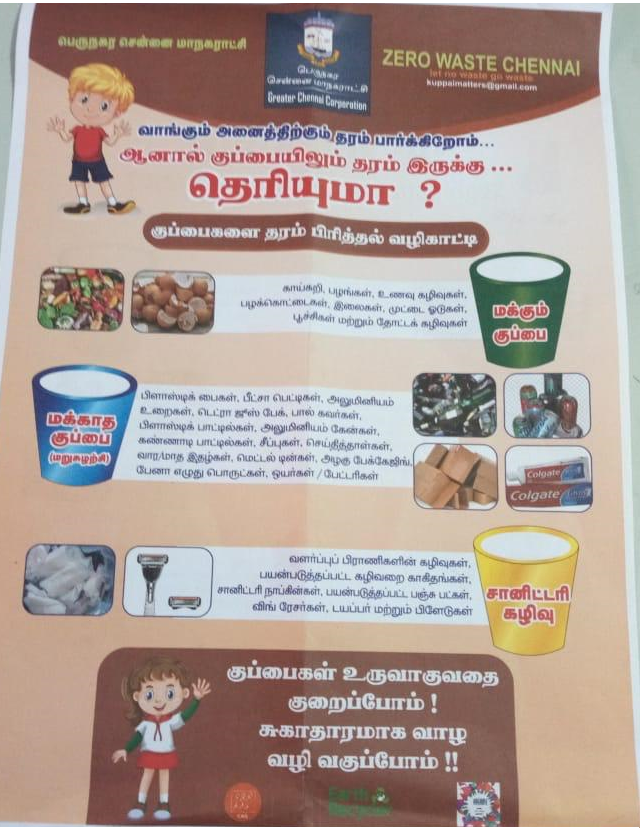
If you were a resident of Annanagar, Chennai you would have seen strange sights like people taking time off to play with their waste . That was the baby steps towards waste segregation in our city . The Corporation officials along with the sanitary workers reached out to the general public distributing pamplets and preaching the importance of waste segregation
Segregation awareness pamphlet
The Infrastructure setup
Microcomposting facility at Anakaputur
bio-CNG plant at Mahindraworld City
We have to welcome to move that our Garbage clearance trucks wont carry the garbage perfume anymore. This is because of the realization that garbage perfume is nothing other than natural gas /Methane which is a clean fuel. In this regard Micro-composting facilities are being set up in 200 wards in Chennai where the locally generated waste is segregated. Bio waste is turned into compost and other useful materials are recovered. The compost is a natural fertilizer . Because of this measures the Conservancy workers are able to earn extra income too. Further read here .
The parks and other government owned lands are being utilized for setting up mulching pits where the garden waste is composted. Even though the residents fear it may go haywire during monsoon seasons, the authorized maintenance personnel need to ensure that these set up is maintained properly .
Bio-waste as fuel-Biomethanisation plant
The process of recovering the generated natural gas from waste and using it to produce electricity is the purpose of bio methanisation plant . These energy recovery facilities have huge cost and require considerable land area too. One such functioning plant in Chennai is the Koyambedu Vegetable Market commissioned in 2005. The plant with the processing capacity of 30 tons per day can generate 250 KW power which is fed into the THEB grid. This plant covers an area of 60 acres and is maintained by the corporation of Chennai . The vegetable/ fruit and flower waste generated everyday powers this plant .
More such facilities are being planned in the city . Three bio-CNG plants are expected to be set up in Pallikarnai, Sholinganallur and Annanagar at a project cost of 9.3 crores. These plants will be both generating cum bottling facility . So gear up to see cars running on clean-fuel in near future. More.
Recycling train -Closing the loop
Ok Ok thats not a new mode of transport for our people . The city has got a brand new recycling enabling facility . You can drop the dry waste such as paper, plastic,leather,steel , glass and cloths in the respective containers .The materials will be redirected to the corresponding recycling facility. This is the currently installed facility at Thiruvanmiyur . More such are coming at Velachery, Saidapet, Guindy, Adayar and Beasant Nagar. Read here.
Whats my role?
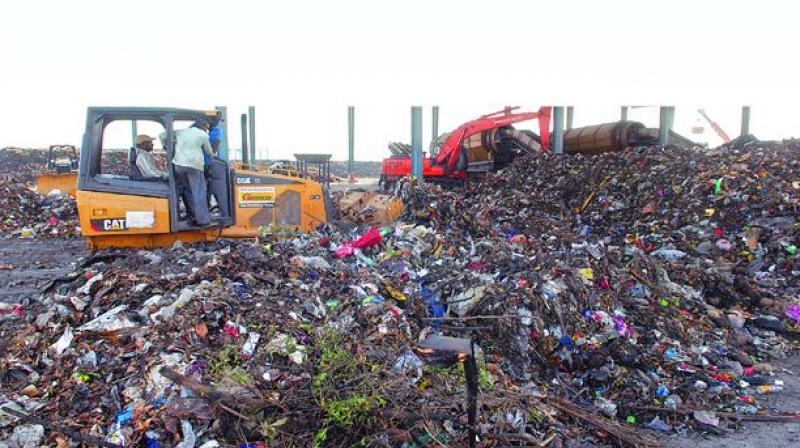
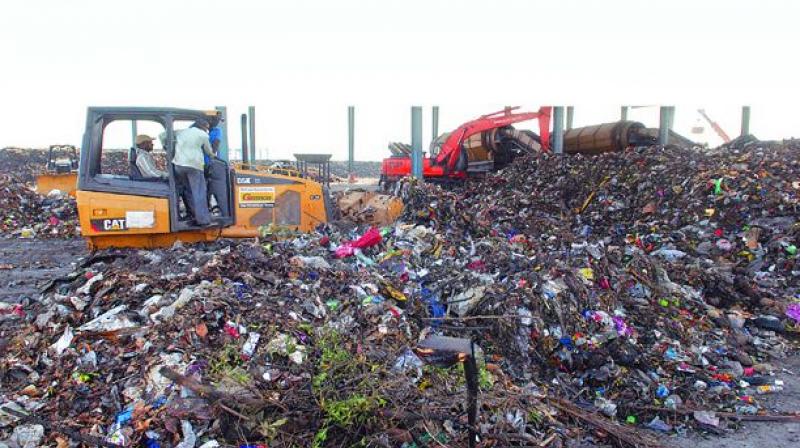
The govt. must do. The govt does n’t care for the citizens. The govt will not provide. It is an end to these sentences. Each of must realize that we are the major chunk of any govt that rules us . The govt can act only as Facilitator for providing the necessary means . It is our individual responsibility to accept that the burning landfills which emit toxicity in land, sea and air in the suburban localities is due to our in-action . Little drops make a ocean. We need to support the hands that clear our garbage . This huge problem has the most simple solution .
Lets segregate our waste! . Lets breathe in freedom !
As we all know keeping our environment clean is a mere reflection of our home where we live and surrounded by all other materialistic stuffs that is used and thrown by us into the garbage. Here we are just going to learn the basics of all the solid waste materials that are in use and how to classify and eradicate them as much as possible in a better, quick way for the benefit of all our future generation life’s.
Solid
Waste
Types
of Solid wastes are ,
Municipality
Solid Waste
Hazardous
Waste
Industrial
Waste
Agricultural
Waste
Bio-Medical
Waste
Municipality Solid Wastes also known as Non-Hazardous Wastes nothing but the wastes generated by individual households
Domestic Wastes can
further be classified as
1.Bio-Degradable Wastes
2.Non-Bio Degradable Wastes
Bio-Degradable wastes:
That originates
from plant/animal sources that are degraded by other living organisms
like bacteria,fungus etc.In other words the wastes that is decomposed
with in several weeks in land filling which in turn used as
manure,bio gas.
Example:Vegetables,Fruits,Meat,Paper, Left over food, Agricultural wastes etc.,.
Non-Bio Degradable Wastes:
In simple words
it’s described as cannot be broken by living organisms that takes
million years to get decompose causes pollution – air
pollution,water pollution.
The increase of population has lead to increase in consumption ,production of goods & consequently an increase in disposal of garbage.
Waste Disposal methods
Land-filling
Land filling is defined as a site for the disposal of waste materials by burial/pit(old method),open air dump sites. The base is prepared of a protective lining, which serves as a barrier between wastes and ground water, and prevents the separation of toxic chemicals into the water zone. Waste layers are subjected to compaction and subsequently coated with an earth layer. Soil that is non-porous is preferred to mitigate the vulnerability of accidental leakage of toxic chemicals. Landfills should be created in places with low groundwater level and far from sources of flooding. However, a sufficient number of skilled manpower is required to maintain sanitary landfills.
Recycling
Recycling serves to transform the wastes into products of their own genre through industrial processing. Paper, glass, aluminum, and plastics are commonly recycled. It is environmentally friendly to reuse the wastes instead of adding them to nature. However, processing technologies are pretty expensive.
Incineration
Incineration features combustion of wastes to transform them into base components, with the generated heat being trapped for deriving energy. Assorted gases and inert ash are common by-products. Pollution is caused by varied degrees dependent on nature of waste combusted and incinerator design. Use of filters can check pollution. It is rather inexpensive to burn wastes and the waste volume is reduced by about 90%. The nutrient rich ash derived out of burning organic wastes can facilitate hydroponic solutions. Hazardous and toxic wastes can be easily be rid of by using this method. The energy extracted can be used for cooking, heating, and supplying power to turbines. However, strict vigilance and due diligence should be exercised to check the accidental leakage of micro level contaminants, such as dioxins from incinerator lines.
Composting:
It involves decomposition of organic wastes by microbes by allowing the waste to stay accumulated in a pit for a long period of time. The nutrient rich compost can be used as plant manure. However, the process is slow and consumes a significant amount of land. Biological reprocessing tremendously improves the fertility of the soil.
Hazardous Wastes generally of radioactive nature are dumped in the oceans far from active human habitats. However, environmentalists are challenging this method, as such an action is believed to spell doom for aquatic life by depriving the ocean waters of its inherent nutrients.
திடக்கழிவு
மேலாண்மை என்பது வீடுகள்,வணிகவளாகங்கள்,
தொழிற்சாலைகளில்
இருந்து கிடைக்கும் தேவை
இல்லாத பயன்படுத்தப்பட்ட
திடப்பொருள்களை சரியான
முறையில் மறுபடியும்
உபயோகிப்பதற்கான வழிவகைகளைச்
செய்வதாகும் .
திடக்கழிவுகளால்
சுற்றுச்சூழல் மாசுபடுகிறது.
உதாரணமாக
காகிதம்,
ரப்பர்,பிளாஸ்டிக்
பொருள்கள் ,
கண்ணாடிகள்
, தோல்
பதனிடும் தொழிற்சாலை கழிவுகள்
போன்றவை ஆகும்.
திடக்கழிவுகள்
அதிக அளவில் வீடுகள்,
அலுவலகங்கள்
, மருத்துவமனைகள்
, கல்வி
நிறுவனங்கள் ,
தொழிற்சாலைகள்
, வேளாண்
கழிவுகள் ,
நகராட்சி
கழிவுகள் ஆகியவற்றில் இருந்து
கிடைக்கப்பெறுகிறது.
திடக்கழிவுகளின் வகைகள்
சிதைவடைவன
இவை
நுண்ணுயிரிகளால் எளிதில்
சிதைவடையும்.(எ.கா)
இறந்த
தாவரங்கள் ,
விலங்குகளின்
உடல்கள் மற்றும் காய்கறி
கழிவுகள்
சிதைவடையாதவை
இவை
நுண்ணுயிரிகளால் எளிதில்
சிதைவடையாது.(எ.கா)
பிளாஸ்டிக்
, டயர்கள்,
கண்ணாடி
மற்றும் உலோகங்கள்
சாம்பல்
மரக்கட்டை,
நிலக்கரி
போன்றவை எரிபொருளாக பயன்படுத்தும்
போது கிடைக்கும் சாம்பல்
ஆகும்.
கட்டுமான
திடக்கழிவுகள்
கட்டிடங்கள்
கட்டும் போதும் ,
இடிக்கும்
போதும் வெளிப்படும் கழிவுகள்
ஆகும்.(எ.கா)
கற்கள்
மற்றும் மின்சாதனப் பொருள்கள்
.
நச்சுத்
திடக்கழிவுகள்
இவை
மிகவும் நச்சுத்தன்மை வாய்ந்த
கழிவுகள் .(எ.கா)
உலோகங்கள்
(குரோமியம்
, பாதரசம்,
காட்மியம்
) மற்றும்
பூச்சிக்கொல்லிகள் ,
வெடிபொருள்கள்,
மருத்துவமனை
கழிவுகள் மற்றும் கதிரியக்கத்
தனிமக் கழிவுகள்
வேளாண்
கழிவுகள்
வேளாண்
பொருள்களை பயன்படுத்தியது
போக மீதம் உள்ளவை இந்த கழிவுகள்
.(எ.கா)
நெல்
உமி, தவிடு,
கரும்புச்சக்கை,
கரும்புத்தோகை,
சோளத்தட்டை,
பண்ணைக்கழிவுகள்,
தென்னைக்
கழிவுகள்
ஆனால்
இவற்றால் அதிக அளவில் பாதிப்புகள்
ஏற்படுவதில்லை .
கழிவுநீர்
சுத்திகரிப்பு கழிவுகள்
கழிவுநீர்
சுத்திகரிக்கும்
போது வெளிவரும் திடக்கழிவுகளாகும்.
திடக்கழிவுகளின் விளைவுகள்
இக்கழிவுகளை
எரிக்கும் போது காற்று
மண்டலத்தையும் ,
மண்ணில்
இடும் போது நிலத்தையும்
மற்றும் நீரினையும்
மாசுபடுத்துகிறது.
மருத்துவமனைக்
கழிவுகள் பல நோய்கள் ஏற்படக்
காரணமாகிறது .
காகிதக்
கழிவுகள் மற்றும் உலோகங்கள்
போன்றவற்றை மறுசுழற்சி
செய்யும் போது சுவாசக்
கோளாறுகள்,
கண்
எரிச்சல் மற்றும் இரைப்பை
தொற்று நோய் ஏற்படுகிறது .
குளோரின்
உள்ள திடக்கழிவுகளை எரிக்கும்
போது அதிலிருந்து வெளிவரும்
டையாக்ஸின் ,
ப்யூரான்
வாயுக்களை சுவாசிக்கும்
போது மலட்டுத்தன்மை ஏற்படுகிறது.
நச்சுக்
கழிவுகள் உணவுச் சங்கிலி
மூலம் உடலில் சேமிக்கப்பட்டு
புற்றுநோய் உண்டாக்குகிறது
.
திடக்கழிவுகளை
சேகரித்து அவற்றை சுத்திகரிக்கும்
இடத்திற்கு எடுத்துவருதல்.
பிரித்தல்
திடக்கழிவுகளை
அவற்றின் தரம் வாரியாகப்
பிரித்தல்.(எ.கா)
சிதைவன,
சிதைவடையாதவை,
எரியும்
பொருள்கள் ,
எரியாதப்
பொருள்கள் எனப் பிரித்து
மறுசுழற்சி செய்தல்.
தூளாக்குதல்
திடக்கழிவுகளை
அரைத்து தூளாக்கி சுத்திகரிப்பு
செய்து பின்பு பயன்படுத்துதல்.
திடக்கழிவு
சுத்திகரிக்கும் முறைகள்
உயிரியல்
முறை
வெப்ப
முறை
உயிரியல்
முறை
இம்முறையில்
நுண்ணுயிரிகள்
முலம் திடக்கழிவுகள்
சிதைக்கப்படுகின்றன.
திடக்கழிவுகளை
பாக்டீரியாக்கள் மற்றும்
பூஞ்சைகளால் சிதைக்கப்பட்டு
உரமாகவோ அல்லது நிலத்திலோ
புதைக்கப்படுகிறது.
வெப்பமுறை
இம்முறையில்
திடக்கழிவுகளை வெப்பபடுத்தி
எரிபொருளாகவோ அல்லது எரித்து
சக்தியாகவோ மாற்றப்படுகிறது
.
திட்டக்கழிவு மேலாண்மையின் பயன்கள்
மக்களை
நோயிலிருந்து பாதுகாத்தல்
. மற்ற
பிற உயிர்களுக்கும் திடக்கழிவுகளால்
தீங்கின்றி பாதுகாத்தல்.
மறுசுழற்சி
செய்வதன் மூலம் மீண்டும்
அப்பொருள்களின் உபயோகத்தை
அதிகமாக்கல்.
மேலும்
இதன் முக்கியப் பணி சுற்றுச்சூழலை
நம் தலைமுறை தலைமுறைக்கும்
பாதுகாத்தலே ஆகும்.
A bilingual blog on everything that matters to our Earth







 Recycle Mithra- இது புவி நேசர்களின் சங்கமம்