Category Archives: recycling

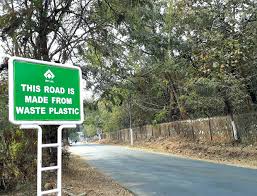
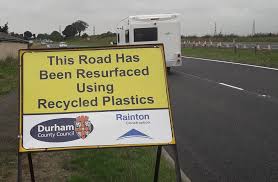
Plastic Roads – The wonder solution to world’s Plastic problems

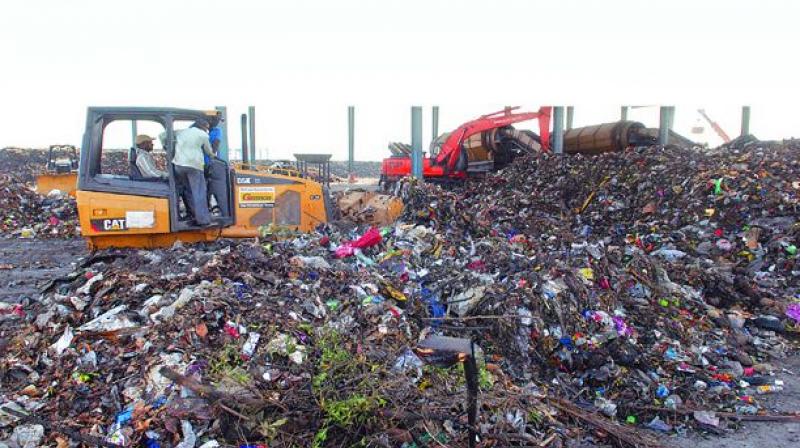
Waste Management professionals all over the world are working round the clock to battle the plastic in landfills. In India too many discoveries are being made in the management of plastic waste. One such solution has been proposed by Dr Rajagopalan Vasudevan.

Dr.Rajagopalan Vasudevan – Dean and professor of chemistry at Thiagarajar college of Engineering – Madurai has started his tests on plastics in the year 2002, instead of discarding the plastics in landfills where the soil and underground water get contaminated and incineration leads to emission of toxic gases a threat to environment. He emerged with a new technique of disposing the plastics in a useful way. He was honoured with one of India’s highest civilian award Padma Shri for his ground breaking research on re using waste plastic in a very unusual way .He received a patent for his technology in 2006.

  • Dr Vasudevan found molten plastic has a excellent property of acting as a binder.
  • When molten plastic added to stone and bitumen mix Dr.Vasudevan found that plastic stuck fast and bound both the materials together.
  • plastics from water bottles , note book liners, single use plastic bags with a thickness of less than 70 microns are shredded and made into strips.
  • Asphalt is heated to a temperature 170 degree celsius(338F).Shredded Plastics (less than 70 microns) is sprinkled over it. The bits/strips of plastics are seemingly disappear melting into red heat. Heated bitumen is added next. Molten plastic then bound with bitumen and stones results in a shiny tar surface.

Regular road requires 10 tonnes of bitumen for each kilometer but when plastics are used bitumen is reduced to 9 tonnes and 1 ton of waste plastic is added instead.Thus 1 ton of bitumen is saved for each kilometer in road construction.

When plastics heated above 270 degree Celsius decomposed and release toxic gases but in road construction the plastic uses is softened at 170 degree Celsius does not release any toxic gases and also when plastic coats are added to the hot bitumen and stone it properties change and doesn’t breakdown when exposed to heat and light.

Worldwide adaptation

Considering the simplicity of the method many countries have adopted the plastic road concept. Australia, Indonesia, India, the United Kingdom, the United States, and many other countries have used technology which can incorporate plastic waste into an asphalt mix.

Recycled Materials in construction Industry

Article by : Jayasree Nachiyar Palanivel

Nowadays construction and demolition of buildings is very often. Old buildings are demolished and new construction is being replaced at the very same location . This activity results in lot of waste generated in both developed and under developed countries.

Wastes generated at construction sites can be of,

Excavated wastes

Wastes such as soil, asphalt, sand, gravel, rock etc.,.

Construction wastes

Wastes such as concrete, dry wall, plastics, ceramic tiles, metals, paper, glass etc.,.

Demolition wastes

Wastes such as concrete, metal, roofing sheets, brick, stone, wood material, asbestos, gypsum, briquette.

Mixed wastes

Trash and organic wastes.

Plaster board which contains toxic gas – hydrogen sulphide should be treated & then get disposed.

Materials that can be recycled from construction and demolition projects are,

  • Woods
  • Glass
  • Metals
  • Tyre
  • Plastics

Number of interior designers are also making use of recycled materials in the construction of homes.

  • Washed – up beach plastics for floor
  • Plastic bottles for furniture making
  • Saw – dust create insulation boards

Wood

Cork-wood

Besides using cork in wine and champagne as stoppers. The cut – offs and fragments from the manufacturing process of cork stoppers are collected and used for cork floor tiles

Newspaper wood :

Paper is made from wood. But the old newspapers are stacked and the layers are compressed results in wood like material where the woods look like the grain and rings found in natural timber. This recycled wood is used as kitchen shelves,cupboards and doors.

Glass :

Glass is made from readily available domestic materials – sand, soda ash, limestone & cullet(mostly sand is used) – the industry term for furnace ready recycled glass.

Glass when crushed can be used in construction of walls and road construction. Crushed glass is being used in places where the aggregate costs more and in golf courses to neutralize soil pH. Since crushed glass does not breakdown into any harmful by products such as methane it is ideal in construction purpose.

Crushed glass is also used in many places where natural sand can also be used such as in construction projects. Backfill areas such as trenches and foundation are often filled with crushed glass. Not only glass recycling helps in reducing landfilling but no emission of green house gases and thus prevents pollution.

Metals :

Scrap metals such as aluminum, iron, steel, copper and brass can be reused many times to make many new products.

Recycling of scrap metals further reduces the mining to obtain new metals for manufacturing process.Recycled steel and aluminum are mostly used in new food packaging.Most scrap metals are recycled into components for the home – furnishings, fixtures and lighting, decorative metal work.Modern art work can also be made out of recycled scrap metals. Good scrap metals includes circuit breakers, plumbing, electrical wiring, sinks etc.,.

Tyres :

Since tyres are not Bio – Degradable thus can be used in constructing a new building ends in reducing the dumping of tyres in landfills and stockpiled.It can be used as construction material since it has the property of heat conductor especially the racing car tyres which acts as a heat sinks where the heat get transferred from high temperature to low temperature i.e., heat is removed from the inside house to underground.Its most suitable in tropical climate countries.

a)Rammed tyre construction

Here the recycled tyres are filled with soil compacted which acts as a framing where the gaps are filled with glass or plastic bottles or aluminum cans.

b)Tyre Bale construction

Number of tyres used in this type of construction is more when compared to Rammed tyre construction.It frames the outside walls of the house stacked like bricks to cover the whole house.

Walls of either method is smoothed over with cement then layers of plaster to finish.

Plastics :

Recycled plastics are used in new building and construction applications everyday . This in terms reduces the accumulation in landfills . Upcycling plastics helps to save energy for the production of new plastic products where the recycled plastics combined with virgin plastics(plastics that has not been processed before)such plastics are used to make polymeric timbers – used in making from picnic tables to fences hence trees can be saved. Even a two liter bottle can be spun into fiber and the product obtained is carpet another home appliances.

Plastic Roads

Plastic roads are constructed using plastics as a binder with other material(Bitumen).The asphalt concrete road is replaced with plastics in the plastic road construction.The plastics used in road construction are mostly the packaging product .Some of the most common plastics used in packaging are Polyethylene terephthalate(PET/PETE),Polyvinyl chloride (PVC), polypropylene(PP), high and low density polyethylene(HDPE & LDPE).

These are few examples of recycling in Construction industry . Readers can share new methods which you come across in the comments section.

திடக்கழிவு மேலாண்மை (Solid Waste Management)

Article by: Ms Rathai Muthu

திடக்கழிவு மேலாண்மை என்பது வீடுகள்,வணிகவளாகங்கள், தொழிற்சாலைகளில் இருந்து கிடைக்கும் தேவை இல்லாத பயன்படுத்தப்பட்ட திடப்பொருள்களை சரியான முறையில் மறுபடியும் உபயோகிப்பதற்கான வழிவகைகளைச் செய்வதாகும் .

திடக்கழிவுகளால் சுற்றுச்சூழல் மாசுபடுகிறது. உதாரணமாக காகிதம், ரப்பர்,பிளாஸ்டிக் பொருள்கள் , கண்ணாடிகள் , தோல் பதனிடும் தொழிற்சாலை கழிவுகள் போன்றவை ஆகும்.

திடக்கழிவுகள் அதிக அளவில் வீடுகள், அலுவலகங்கள் , மருத்துவமனைகள் , கல்வி நிறுவனங்கள் , தொழிற்சாலைகள் , வேளாண் கழிவுகள் , நகராட்சி கழிவுகள் ஆகியவற்றில் இருந்து கிடைக்கப்பெறுகிறது.

திடக்கழிவுகளின் வகைகள்

சிதைவடைவன

இவை நுண்ணுயிரிகளால் எளிதில் சிதைவடையும்.(எ.கா) இறந்த தாவரங்கள் , விலங்குகளின் உடல்கள் மற்றும் காய்கறி கழிவுகள்

சிதைவடையாதவை

இவை நுண்ணுயிரிகளால் எளிதில் சிதைவடையாது.(எ.கா) பிளாஸ்டிக் , டயர்கள், கண்ணாடி மற்றும் உலோகங்கள்

சாம்பல்

மரக்கட்டை, நிலக்கரி போன்றவை எரிபொருளாக பயன்படுத்தும் போது கிடைக்கும் சாம்பல் ஆகும்.

கட்டுமான திடக்கழிவுகள்

கட்டிடங்கள் கட்டும் போதும் , இடிக்கும் போதும் வெளிப்படும் கழிவுகள் ஆகும்.(எ.கா) கற்கள் மற்றும் மின்சாதனப் பொருள்கள் .

நச்சுத் திடக்கழிவுகள்

இவை மிகவும் நச்சுத்தன்மை வாய்ந்த கழிவுகள் .(எ.கா) உலோகங்கள் (குரோமியம் , பாதரசம், காட்மியம் ) மற்றும் பூச்சிக்கொல்லிகள் , வெடிபொருள்கள், மருத்துவமனை கழிவுகள் மற்றும் கதிரியக்கத் தனிமக் கழிவுகள்

வேளாண் கழிவுகள்

வேளாண் பொருள்களை பயன்படுத்தியது போக மீதம் உள்ளவை இந்த கழிவுகள் .(எ.கா) நெல் உமி, தவிடு, கரும்புச்சக்கை, கரும்புத்தோகை, சோளத்தட்டை, பண்ணைக்கழிவுகள், தென்னைக் கழிவுகள்

ஆனால் இவற்றால் அதிக அளவில் பாதிப்புகள் ஏற்படுவதில்லை .

கழிவுநீர் சுத்திகரிப்பு கழிவுகள்

கழிவுநீர் சுத்திகரிக்கும் போது வெளிவரும் திடக்கழிவுகளாகும்.

திடக்கழிவுகளின் விளைவுகள்

  • இக்கழிவுகளை எரிக்கும் போது காற்று மண்டலத்தையும் , மண்ணில் இடும் போது நிலத்தையும் மற்றும் நீரினையும் மாசுபடுத்துகிறது.
  • மருத்துவமனைக் கழிவுகள் பல நோய்கள் ஏற்படக் காரணமாகிறது .
  • காகிதக் கழிவுகள் மற்றும் உலோகங்கள் போன்றவற்றை மறுசுழற்சி செய்யும் போது சுவாசக் கோளாறுகள், கண் எரிச்சல் மற்றும் இரைப்பை தொற்று நோய் ஏற்படுகிறது .
  • குளோரின் உள்ள திடக்கழிவுகளை எரிக்கும் போது அதிலிருந்து வெளிவரும் டையாக்ஸின் , ப்யூரான் வாயுக்களை சுவாசிக்கும் போது மலட்டுத்தன்மை ஏற்படுகிறது.
  • நச்சுக் கழிவுகள் உணவுச் சங்கிலி மூலம் உடலில் சேமிக்கப்பட்டு புற்றுநோய் உண்டாக்குகிறது .

திடக்கழிவினை மேலாண்மை செய்தல்

https://www.tnrd.gov.in/sanitation_corner/training_materials.htm

சேகரித்தல்

திடக்கழிவுகளை சேகரித்து அவற்றை சுத்திகரிக்கும் இடத்திற்கு எடுத்துவருதல்.

பிரித்தல்

திடக்கழிவுகளை அவற்றின் தரம் வாரியாகப் பிரித்தல்.(எ.கா) சிதைவன, சிதைவடையாதவை, எரியும் பொருள்கள் , எரியாதப் பொருள்கள் எனப் பிரித்து மறுசுழற்சி செய்தல்.

தூளாக்குதல்

திடக்கழிவுகளை அரைத்து தூளாக்கி சுத்திகரிப்பு செய்து பின்பு பயன்படுத்துதல்.

திடக்கழிவு சுத்திகரிக்கும் முறைகள்

  • உயிரியல் முறை
  • வெப்ப முறை

உயிரியல் முறை

இம்முறையில் நுண்ணுயிரிகள் முலம் திடக்கழிவுகள் சிதைக்கப்படுகின்றன. திடக்கழிவுகளை பாக்டீரியாக்கள் மற்றும் பூஞ்சைகளால் சிதைக்கப்பட்டு உரமாகவோ அல்லது நிலத்திலோ புதைக்கப்படுகிறது.

வெப்பமுறை

இம்முறையில் திடக்கழிவுகளை வெப்பபடுத்தி எரிபொருளாகவோ அல்லது எரித்து சக்தியாகவோ மாற்றப்படுகிறது .

திட்டக்கழிவு மேலாண்மையின் பயன்கள்

  • மக்களை நோயிலிருந்து பாதுகாத்தல் . மற்ற பிற உயிர்களுக்கும் திடக்கழிவுகளால் தீங்கின்றி பாதுகாத்தல்.
  • மறுசுழற்சி செய்வதன் மூலம் மீண்டும் அப்பொருள்களின் உபயோகத்தை அதிகமாக்கல்.
  • மேலும் இதன் முக்கியப் பணி சுற்றுச்சூழலை நம் தலைமுறை தலைமுறைக்கும் பாதுகாத்தலே ஆகும்.