Category Archives: plastic pollution

Are we misguided by bio plastics ?

Article by : Gayathri Geethan

Let us have a look at the steps which have to be followed in industrial bio-degradation process.
Bio-degradation Process and Experiments involved:
Bio-degradation is the breakdown of organic matter by microorganisms, such as bacteria and fungi.In practice, almost all chemical compounds and materials are subject to bio-degradation processes. The significance, however, is in the relative rates of such processes, such as days, weeks, years or centuries. A number of factors determine the rate at which this degradation of organic compounds occurs. Factors include light, water, oxygen and temperature. The degradation rate of many organic compounds is limited by their bio-availability, which is the rate at which a substance is absorbed into a system or made available at the site of physiological activity as compounds must be released into solution before organisms can degrade them.The rate of bio-degradation can be measured in a number of ways. Respirometry tests can be used for aerobic microbes. First one places a solid waste sample in a container with microorganisms and soil, and then aerates the mixture. Over the course of several days, microorganisms digest the sample bit by bit and produce carbon dioxide – the resulting amount of CO2 serves as an indicator of degradation. Biodegradability can also be measured by anaerobic microbes and the amount of methane or alloy that they are able to produce.

It’s important to note factors that affect bio-degradation rates during product testing to ensure that the results produced are accurate and reliable. Several materials will test as being biodegradable under optimal conditions in a lab for approval but these results may not reflect real world outcomes where factors are more variable. For example, a material may have tested as biodegrading at a high rate in the lab may not degrade at a high rate in a landfill because landfills often lack light, water, and microbial activity that are necessary for degradation to occur. Thus, it is very important that there are standards for plastic biodegradable products, which have a large impact on the environment. The development and use of accurate standard test methods can help ensure that all plastics that are being produced and commercialized will actually biodegrade in natural environments.

Do ‘Biodegradable’ Plastic Bags Actually Degrade?
This article is an excerpt of an article was submitted by scientists from the University of Plymouth in the UK. This article is highly commendable as it seemed to be an eye opener for fradulent practice of plastic in the name of biodegradable plastic.
As we know that the world has a plastic bag pollution problem which has become a big threat to organisms on earth. In United States alone, 100 billion are used each year. The European Union goes through another 100 billion bags and these single-use plastics often end up in the environment, where they pose a threat to animals. Rather than decomposing, the standard plastic bags break down into tiny pieces that get consumed by a variety of organisms and make their way up the food chain.
In midst of these clearheaded realities, biodegradable plastic bags have been promoted as a better way to get your groceries and other purchases home from the store. A new study has found that biodegradable bags may not actually degrade all that quickly in the environment. Some, in fact, were still able to carry nearly five pounds of groceries after being exposed to the elements for three years.

The report, published in Environmental Science & Technology, describes an experiment by researchers at the University of Plymouth, who sought to find out how plastcis named as biodegradable behaved in three environments such as soil, sea and in open air over time. It gave them a shocking experience after looking at the result because none of them are degraded. Even few could still hold full bag of shopping which could be used to carry near to six pounds of purchases. This research conducted by Richard Thompson, a marine biologist and he said “We examined the materials and found plastic bags, they simply weren’t reliably degrading in any meaningful time scale in the natural environments”.

Biodegradble plastic shown to kept under sea over three years.
Biodegradble plastic shown to kept under soil over three years.
Biodegradble plastic exposed to open air.

As we know , a lot of countries are involved in abating plastic use and bringing in alternatives named bio-degradable plastics but this new introduction rather than reducing the problem, it maintains the severity. This study proved that plastics labelledas biodegradable, like shopping bags will only break down in temperatures of 50 degree centigrade. These plastics are also not buoyant, so they are going to sink and they are not going to be exposed to UV rays. This study further revealed that the environment these bags are placed in determines the efficiency of the degrading process.
It is recommended for industrial composting facility at 50 degree centigrade to 60 degree centigrade with specific conditions of pH, humidity and oxygen facility as natural envioronments not paving way for such degrading to happen. As we know these plasic bags are made from polymers combined with mineral oxidant additives that promote their breakdown into smaller pieces. But these plastics break down only under certain conditons that are hard to find in nature.They could even inadvertently malign the beauty of nature via accumulation of residues.

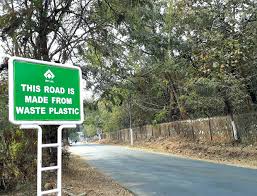
Plastic Roads – The wonder solution to world’s Plastic problems

Waste Management professionals all over the world are working round the clock to battle the plastic in landfills. In India too many discoveries are being made in the management of plastic waste. One such solution has been proposed by Dr Rajagopalan Vasudevan.

Dr.Rajagopalan Vasudevan – Dean and professor of chemistry at Thiagarajar college of Engineering – Madurai has started his tests on plastics in the year 2002, instead of discarding the plastics in landfills where the soil and underground water get contaminated and incineration leads to emission of toxic gases a threat to environment. He emerged with a new technique of disposing the plastics in a useful way. He was honoured with one of India’s highest civilian award Padma Shri for his ground breaking research on re using waste plastic in a very unusual way .He received a patent for his technology in 2006.

  • Dr Vasudevan found molten plastic has a excellent property of acting as a binder.
  • When molten plastic added to stone and bitumen mix Dr.Vasudevan found that plastic stuck fast and bound both the materials together.
  • plastics from water bottles , note book liners, single use plastic bags with a thickness of less than 70 microns are shredded and made into strips.
  • Asphalt is heated to a temperature 170 degree celsius(338F).Shredded Plastics (less than 70 microns) is sprinkled over it. The bits/strips of plastics are seemingly disappear melting into red heat. Heated bitumen is added next. Molten plastic then bound with bitumen and stones results in a shiny tar surface.

Regular road requires 10 tonnes of bitumen for each kilometer but when plastics are used bitumen is reduced to 9 tonnes and 1 ton of waste plastic is added instead.Thus 1 ton of bitumen is saved for each kilometer in road construction.

When plastics heated above 270 degree Celsius decomposed and release toxic gases but in road construction the plastic uses is softened at 170 degree Celsius does not release any toxic gases and also when plastic coats are added to the hot bitumen and stone it properties change and doesn’t breakdown when exposed to heat and light.

Worldwide adaptation

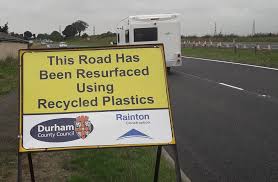
Considering the simplicity of the method many countries have adopted the plastic road concept. Australia, Indonesia, India, the United Kingdom, the United States, and many other countries have used technology which can incorporate plastic waste into an asphalt mix.

உணவுப் பொருட்களில் பிளாஸ்டிக்

எழுத்து : ராதை முத்து

நம் நாட்டில் பிளாஸ்டிக் உபயோகம் சர்வசாதாரணமாக புழங்கும் நிலை உள்ளது. எதை எடுத்தாலும் பிளாஸ்டிக் உடனான பங்களிப்பு இல்லாமல் உபயோகம் செய்ய முடியாத சூழல் உள்ளது.

  • பிளாஸ்டிக் காகிதத்தில் உணவுப் பொருட்களை கட்டித் தருதல்.
  • சாப்பாட்டு மேசையில் பிளாஸ்டிக் காகிதத்தை விரித்து அதில் உணவு பரிமாறுதல்.
  • பிளாஸ்டிக் தெர்மோ கோல் தட்டுகள்.
  • பிளாஸ்டிக்கில் கவர் செய்யப்பட்ட காகித தட்டுகள்.
  • பிளாஸ்டிக் டம்ளர்
  • பிளாஸ்டிக்கில் கவர் செய்யப்பட்ட காகித டம்ளர்கள்
  • பிளாஸ்டிக் டீ கப்புகள்
  • அனைத்து விதமான அளவுகளிலும் பிளாஸ்டிக் பைகள்
  • பிளாஸ்டிக்கால் கவர் செய்யப்பட்ட காகிதப் பைகள்
  • நெய்யப்பட வில்லாத (Non-woven) பைகள்
  • தண்ணீர் பாக்கெட்டுகள்
  • பிளாஸ்டிக் ஸ்ட்ரா
  • பிளாஸ்டிக் கொடிகள்

என இவை அனைத்தும் நம் தமிழ்நாட்டில் மக்கள் புழக்கத்தில் பெருமளவு உள்ளது என்பது வருந்தத்தக்க விஷயம்.

பிளாஸ்டிக்கில் பிஸ்ஃபெனோல் ஏ (பிபிஏ), தால்ட்ஸ், ஆன்டிமினோட்ராக்ஸைடு, புரோமினேட் சுடர் ரெட்டார்டண்ட்ஸ் மற்றும் பாலி-ஃபுளோரைன் வேதியியல் போன்ற பல ரசாயன மற்றும் அபாயகரமான பொருட்கள் உள்ளன. இது மனித ஆரோக்கியத்திற்கும் சூழலுக்கும் ஒரு ஆபத்தான காரணியாகும். கண் பார்வை குறைபாடு, சுவாச பிரச்சனைகள், கல்லீரல் செயலிழப்பு, புற்றுநோய்கள், தோல் நோய்கள், நுரையீரல் பிரச்சினைகள், தலைவலி, தலைச்சுற்று, பிறப்பு விளைவு, இனப்பெருக்க, இதய, மரபியல், மற்றும் நச்சுப் பாசனங்களைப் பயன்படுத்துவதற்கான இரைப்பை குடல் பிரச்சினைகள் பிளாஸ்டக்கால் ஏற்படும். மண் மாசுபாடு, நீர் மாசுபாடு மற்றும் காற்று மாசுபாடு போன்றவை பிளாஸ்டிக்கில் ஏற்படும் சுற்றுச்சூழல் பிரச்சினைகள் ஆகும்.பிளாஸ்டிக்கில் பிஸ்ஃபெனோல் ஏ (பிபிஏ), தால்ட்ஸ், ஆன்டிமினோட்ராக்ஸைடு, புரோமினேட் சுடர் ரெட்டார்டண்ட்ஸ் மற்றும் பாலி-ஃபுளோரைன் வேதியியல் போன்ற பல ரசாயன மற்றும் அபாயகரமான பொருட்கள் உள்ளன. இது மனித ஆரோக்கியத்திற்கும் சூழலுக்கும் ஒரு ஆபத்தான காரணியாகும்.

உணவுகளிலும் பிளாஸ்டிக்

நாம் அன்றாடம் பயன்படுத்தும் உணவுப் பொருட்களில் பிளாஸ்டிக் கலந்து உள்ளது என்பது நிதர்சனமான உண்மை.

தேநீர் பைகள்.

தேயிலை பைகளில் 95% க்கும் மேலான பிளாஸ்டிக் பொருட்கள் உள்ளனவா என்று உங்களுக்குத் தெரியுமா? …

தேயிலை பைகளின் ஓரங்களை அடைக்க சிறிய அளவிலான பிளாஸ்டிக் பயன்படுகின்றது. உற்பத்தியாளர்கள் அதனை சிறிய அளவு என்றாலும் சூடான தண்ணீர் அல்லது பாலுடன் தேயிலை பை கலக்கும் போது மைக்ரோ பிளாஸ்டிக் நமது உடலில் கலப்பது தவிர்க்க முடியாதது ஆகிறது. எனவே முடிந்தவரை வரை மொத்தமாக தேயிலைத் தூள் வாங்கி தினமும் உபயோகிக்கவும்.

டின் உணவுகள்

டின் கேன்கள் பிபிஏ, புற்றுநோய், புற்றுநோய் மற்றும் உடல்பருமன் ஆகியவற்றுடன் தொடர்பு கொண்டிருக்கும். …

டின் உணவுகளில் பெரும்பாலும் BBA என்னும் பிளாஸ்டிக் இரசாயனங்கள் கலந்து உள்ளது. அதிலும் டின்னில் அடைக்கப்பட்ட தக்காளி வேதி வினைகளில் மாற்றம் அடைந்து பிளாஸ்டிக் களுக்கு இணையான இரசாயனங்களை வெளிவிடும். எனவே முடிந்தவரை புதிய தக்காளி பழங்களை பார்த்து வாங்கி பயன்படுத்தவும்.

தயார் உணவு மற்றும் உணவு பேக்கேஜிங்

தயார் நிலையில் உள்ள பதப்படுத்தப்பட்ட உணவுகளில் பிளாஸ்டிக் கலந்து உள்ளது. பேக்கிங் ஓரங்களை அடைக்க பிளாஸ்டிக் கே பயன்படுகிறது. அது உணவுடன் கலந்து நம் உடல் நலத்தை கெடுக்கும்.

உப்பு

கடல்கள் படிப்படியாக microplastics மூலம் மாசுபடுத்தப்படுவதால் கடல் உப்பு பெரும்பாலும் அசுத்தம் என்று கூறுவதில் எந்த ஆச்சரியமும் இல்லை. 1KG கடல் உப்பு 600 க்கும் மேற்பட்ட மைக்ரோ பிளாஸ்டிக் கொண்டிருக்கலாம் என்று ஆய்வுகள் காட்டுகின்றன.

சமீபத்திய அட்டவணையில் காணப்படும் 39 பிராண்டுகளில் 36 நுண்ணிய நுண்ணுயிரிகளைக் கொண்டிருப்பதாக சமீபத்திய ஆய்வில் காணப்பட்டாலும், சாதாரண உப்பில் கூட மைக்ரோ பிளாஸ்டிக் உள்ளது. இருப்பினும், ஆசியாவில் உப்பு மற்றும் குறிப்பாக இந்தோனேசியாவில் வட பகுதியில் பிளாஸ்டிக் குறிப்பிடத்தக்க அளவிற்கு அதிக அளவு வேறுபடுகிறது. இந்தோனேசியா கடல் தண்ணீரில் உலகின் மிக மோசமான பிளாஸ்டிக் மாசுபாடு அளவு உள்ளது.

எனவே முடிந்தவரை பிங்க் Himalayan Salt உபயோகிக்கவும். ஏனெனில் அது உலகம் மாசு அடைவதற்கு முன்னர் உருவான படிமங்கள் ஆகும்.

தேன்

ஐரோப்பா மற்றும் தென் அமெரிக்காவிலிருந்து 19 வகையான பல்வேறு வகை தேன் ஆய்வு செய்யப்பட்டுள்ளன, இவை எல்லாமே பிளாஸ்டிக் நார்களைக் கொண்டுள்ளன. தேனில் உள்ள பிளாஸ்டிக் அளவு 1 KG க்கு 45 முதல் 600 பிளாஸ்டிக் துகள்கள் மாறுபடுகிறது.

பிளாஸ்டிக் பயன்பாட்டை குறைத்து, சூழலோடு ஒத்து இயற்கையோடு இணைந்து வாழ நாம் முயற்சி செய்வோமே!

JustPlasticTrash# 25 Volunteers 2 hrs 600 kilos

Article by : Anitha Varadarajulu

Bored with the usual weekend hangout routine, we signed up for a beach clean up with DEAP(Doha Environmental Protection Action Project)Qatar, Facebook group. This was the team’s #110 clean up . 7 kms away from the historical tourist site Fort Zubara in Qatar, it was a rather bumpy ride to the serene looking beach with lots of fascinating hues of Qatar fauna. With the weather taking a dramatic turn up it was like a cool breezy late winter afternoon. A first look at the beach we were surprised that it appeared clean . We geared up with our trash bags and the Jose who leads the clean up gave few instructions . And we started exploring the beach looking for anything plastic . An abandoned fishing net was the first one which caught the attention. With very few people reaching this beach it dint take long to realise that most of the plastic trash was to be found along the bed of green beachside grasses.

Taking a closer look at the plants , it was a sore sight to see bottle caps, bottle rings, aluminuim cans,ketchup sachets and bottles in all sizes . sometimes buried deep. We fished out a masking tape and even a cloth hanger. What was it doing in a beach?

The only comfort was the gentle breeze . Every piece of plastic unearthed was just reminding of our guilty actions . Dumping plastic irresponsibly. We started at 2 30 pm and winded up by 4 30 pm . As each of us bought the trash bags to line up it was almost 50 bags. Almost 600 kg from a nearly clean looking beach. Satisfied doing our part we left the team promising to meet at another clean up and discover an unexplored part of Qatar.

Riding back home , it was a sad thought that stuck the mind that even if the entire world decides to pick up a bag to start picking plastic, it will take years to unearth the 6.3 billion metric tons plastic waste piled up . And we keep dumping every minute. To write it in numbers 6300000000000 kg of plastic waste remains to be picked up. If a team of 25 like us set out to clean up for 2 hrs a day daily it will take 10000000000 days to pick it up . Or 27397260.27397 years . BIG DATA. 6.35029 Billion kg is our daily plastic trash production.

Just like we wrote in this sand , We keep saying Say No To Plastics just to be washed away by the next tide. Rethink Plastics, Do we really need it in our daily lives? Let us REFUSE unnecessary single use plastic. REDUCE the usage of many plastic items and REUSE before trashing it . Lets Dispose plastic waste RESPONSIBLY. Only when the buying stops , the making too.

King Midas turned everything into Gold after he got a boon. We know what happened to him. We the Modern day Midas-es turning every spoon and cup to plastic…

மைக்ரோபிளாஸ்டிக் (MICROPLASTICS)

Article by: Ms Rathai Muthu

நமது இயற்கை சூழலில் பிளாஸ்டிக்கின் கலப்பு அதன் எல்லை தாண்டி செல்கிறது. இது நமக்கும் மற்ற பிற உயிரினங்களுக்கும் நன்மை தரவல்லது அல்ல. கடலில் கலக்கும் பிளாஸ்டிக் கழிவு தற்போது நமது சிந்தனைக்குரிய ஒன்றாகும். பிளாஸ்டிக் மாசு கடல்வாழ் உயிரினங்களுக்கு மட்டும் அல்லாமல் அனைத்து உயிரினங்களுக்கும் தீங்கு விளைவிக்கும்.

மைக்ரோ பிளாஸ்டிக் என்பது என்ன?

நவீன காலத்தில் அழகு சாதன பொருட்களில் இதன் கலப்பு அதிகமாக உள்ளது. பிளாஸ்டிக் சிறிதாக சிறிதாக உடைந்து மிக மிக நுண்ணிய பிளாஸ்டிக் துகளாக மாறுவதே மைக்ரோ பிளாஸ்டிக் ஆகும். பிளாஸ்டிக் உடைந்து 5 மி மீ அளவுள்ள நுண்ணிய துகள்கள் ஆவதே மைக்ரோ பிளாஸ்டிக். சிலர் 1 நானோ மீட்டர் அளவு உள்ள பிளாஸ்டிக்கை மைக்ரோ பிளாஸ்டிக் என்கின்றனர். பிளாஸ்டிக் அழிவு அடைய நிறைய காலங்கள் ஆகும் என்பது அனைவரும் அறிந்ததே. எனவே இது நுண்ணிய துகள்களாக உடைகிறது.

மைக்ரோ பிளாஸ்டிக் நம் சுற்றுச் சூழலில் மிக எளிதாக பரவுகிறது. செயற்கை நெசவு உற்பத்தித் தொழிற்சாலைகளில் இருந்து அதிக அளவு மைக்ரோ பிளாஸ்டிக் வெளி வருகின்றன. மேலும் சூரியன், காற்று மற்றும் நீர் ஆகியவை இயற்கை முறையில் பிளாஸ்டிக்கை உடைக்கிறது. நாம் சுவாசிக்கும் காற்றில் கூட மைக்ரோ பிளாஸ்டிக் கின் துகள்கள் கலந்து உள்ளன. நாம் உடுத்தும் நைலான் துணிகளில் உள்ள இழைகள் காற்றில் பறந்து சுவாசத்தில் கலக்கிறது. சலவை இயந்திரங்கள் மூலம் நைலான் துணி துவைக்கும் போது சிறிய அளவிலான மைக்ரோ பிளாஸ்டிக் துகள்கள் கழிவு நீரில் கலந்து மண்ணில் கலக்கிறது.

மைக்ரோ பிளாஸ்டிக் உயிர்களுக்கு பாதிப்பை உண்டாக்குமா?

யாருக்கும் துல்லியமாக தெரியவில்லை மைக்ரோ பிளாஸ்டிக் எவ்வளவு பாதிப்பை ஏற்படுத்தும் என்று. இன்றளவும் அதற்கு என தனிப்பட்ட ஆராய்ச்சிகள் செய்யப்படவில்லை. எடுத்துக்காட்டாக 0.15 மி மீ or 150 மைக்ரான்ஸ்(microns) அளவிலான மைக்ரோ பிளாஸ்டிக் மனித உடலில் நுழையும் பொழுது எவ்வித பாதிப்பும் உண்டாக்குவது இல்லை. ஆனால் அதற்கு மேற்பட்ட அளவிலான மைக்ரோ பிளாஸ்டிக் விலங்குகளுக்கு பாதிப்பை உண்டாக்கும் என கண்டறியப்பட்டுள்ளது. விலங்குகளின் உடலில் நுழைந்து அதன் சீரண உறுப்புகளில் உள்ள அமிலத்துடன் வினைபுரிந்து கொடிய நச்சுத்தன்மை உள்ள கழிவாக வெளியேற்றப்படுகிறது. நானோ பிளாஸ்டிக் மீன்களின் மூளையின் செயல்பாட்டை தொந்தரவு செய்து அதன் குணங்களில் மாறுபாட்ட தன்மையை உண்டுபண்ணுகிறது.

மைக்ரோ பிளாஸ்டிக் எப்படி மனித உடலில் நுழைகிறது?

மூன்று வழிகளில் பிளாஸ்டிக் நம் உடலில் நுழைகிறது.

  • கடல் உணவுகள் மூலம்

நம் அன்றாட உணவுப் பட்டியலில் மீன் உணவுக்கு என்று தனி இடம் உண்டு. கடலில் கலக்கும் பிளாஸ்டிக் நமது உணவிலும் நிச்சயமாக கலந்து உள்ளது.

  • வீட்டில் உள்ள உபயோகப் பொருட்கள் மற்றும் காற்றின் மூலம்

நமது வீட்டில் மட்டுமே114 வகையான மைக்ரோ பிளாஸ்டிக் நாம் உண்ணும் உணவுத் தட்டுகளில் படிந்து நாம் உண்ணும் உணவின் மூலம் உடலில் நுழைகிறது. நாம் சுவாசிக்கும் காற்றின் மூலமும் நம் உடலில் நுழைகிறது என புதிய ஆராய்ச்சி சொல்கிறது. ஆண்டுக்கு 13,000 முதல் 68,000 வரையிலான மைக்ரோ பிளாஸ்டிக் நம் உடலில் நுழைகிறது.

  • நீரின் மூலம்

கடல் மற்றும் ஏரி போன்ற நீர்நிலைகளில் மைக்ரோ பிளாஸ்டிக் கலந்துள்ளது என்பது நாம் ஏற்கனவே அறிந்ததே. நாம் குடிக்கும் தண்ணீரிலும் மைக்ரோ பிளாஸ்டிக் கலந்துள்ளது. பாட்டில்தண்ணீரிலும் மைக்ரோ பிளாஸ்டிக் கலந்துள்ளது என்பது நிச்சயமான உண்மை.

9 நாடுகளில் உள்ள 259 பாட்டில் தண்ணீரை ஆராய்ச்சி செய்தனர். அதில் 11 பிராண்டட் கம்பெனி அக்வஃபினா, நெஸ்ட்லே, ஏவியன் மற்றும் பிற பாட்டில் தண்ணீர் கம்பெனிகளும் அடங்கும். அவர்கள் கண்டுபிடித்தது அனைத்து நீரிலும் மைக்ரோ பிளாஸ்டிக் கலந்து உள்ளது என்பதே. 259 பாட்டில் தண்ணீரிலும் 93% மைக்ரோ பிளாஸ்டிக் கலந்துள்ளது.100 microns (0.1 மில்லி மீட்டர்) அளவிலான பிளாஸ்டிக் ஒவ்வொரு ஒரு லிட்டர் தண்ணீரிலும் சராசரியாக 10.4 சதவிகிதம் கலந்துள்ளது. இதிலிருந்து நீங்கள் ஒரு நாளைக்கு குடிக்கும் ஒரு லிட்டர் தண்ணீரின் மூலம் சராசரியாக ஒரு வருடத்திற்கு பத்தாயிரம் மைக்ரோ பிளாஸ்டிக் உங்கள் உடலில் நுழைகிறது.

இனி நாம் என்ன செய்யவேண்டும்?

Source : Wikipedia

உற்பத்தி செய்யும் பிளாஸ்டிக்கின் அளவை குறைப்பதன் மூலமே இதற்கான தீர்வை கண்டறிய முடியும். எதிர்கால சந்ததியினரை இதிலிருந்து காப்பதற்கான ஒரே வழி பிளாஸ்டிக்கின் உற்பத்தியையும் அதன் தேவையையும் குறைப்பதே ஆகும். எடுத்துக்காட்டாக பிளாஸ்டிக்கினால் கட்டிக் கொடுக்கப்படும் உணவுப் பண்டங்களை வாங்காமல் இருப்பது, ஒரு தடவை மட்டும் உபயோகப்படுத்தும் பாட்டில் தண்ணீரை வாங்காமல் இருப்பது, straw உபயோகப் படுத்தாமல் இருப்பது.

மாற்றத்தை உண்டாக்குவோம்!

திடக்கழிவு மேலாண்மை (Solid Waste Management)

Article by: Ms Rathai Muthu

திடக்கழிவு மேலாண்மை என்பது வீடுகள்,வணிகவளாகங்கள், தொழிற்சாலைகளில் இருந்து கிடைக்கும் தேவை இல்லாத பயன்படுத்தப்பட்ட திடப்பொருள்களை சரியான முறையில் மறுபடியும் உபயோகிப்பதற்கான வழிவகைகளைச் செய்வதாகும் .

திடக்கழிவுகளால் சுற்றுச்சூழல் மாசுபடுகிறது. உதாரணமாக காகிதம், ரப்பர்,பிளாஸ்டிக் பொருள்கள் , கண்ணாடிகள் , தோல் பதனிடும் தொழிற்சாலை கழிவுகள் போன்றவை ஆகும்.

திடக்கழிவுகள் அதிக அளவில் வீடுகள், அலுவலகங்கள் , மருத்துவமனைகள் , கல்வி நிறுவனங்கள் , தொழிற்சாலைகள் , வேளாண் கழிவுகள் , நகராட்சி கழிவுகள் ஆகியவற்றில் இருந்து கிடைக்கப்பெறுகிறது.

திடக்கழிவுகளின் வகைகள்

சிதைவடைவன

இவை நுண்ணுயிரிகளால் எளிதில் சிதைவடையும்.(எ.கா) இறந்த தாவரங்கள் , விலங்குகளின் உடல்கள் மற்றும் காய்கறி கழிவுகள்

சிதைவடையாதவை

இவை நுண்ணுயிரிகளால் எளிதில் சிதைவடையாது.(எ.கா) பிளாஸ்டிக் , டயர்கள், கண்ணாடி மற்றும் உலோகங்கள்

சாம்பல்

மரக்கட்டை, நிலக்கரி போன்றவை எரிபொருளாக பயன்படுத்தும் போது கிடைக்கும் சாம்பல் ஆகும்.

கட்டுமான திடக்கழிவுகள்

கட்டிடங்கள் கட்டும் போதும் , இடிக்கும் போதும் வெளிப்படும் கழிவுகள் ஆகும்.(எ.கா) கற்கள் மற்றும் மின்சாதனப் பொருள்கள் .

நச்சுத் திடக்கழிவுகள்

இவை மிகவும் நச்சுத்தன்மை வாய்ந்த கழிவுகள் .(எ.கா) உலோகங்கள் (குரோமியம் , பாதரசம், காட்மியம் ) மற்றும் பூச்சிக்கொல்லிகள் , வெடிபொருள்கள், மருத்துவமனை கழிவுகள் மற்றும் கதிரியக்கத் தனிமக் கழிவுகள்

வேளாண் கழிவுகள்

வேளாண் பொருள்களை பயன்படுத்தியது போக மீதம் உள்ளவை இந்த கழிவுகள் .(எ.கா) நெல் உமி, தவிடு, கரும்புச்சக்கை, கரும்புத்தோகை, சோளத்தட்டை, பண்ணைக்கழிவுகள், தென்னைக் கழிவுகள்

ஆனால் இவற்றால் அதிக அளவில் பாதிப்புகள் ஏற்படுவதில்லை .

கழிவுநீர் சுத்திகரிப்பு கழிவுகள்

கழிவுநீர் சுத்திகரிக்கும் போது வெளிவரும் திடக்கழிவுகளாகும்.

திடக்கழிவுகளின் விளைவுகள்

  • இக்கழிவுகளை எரிக்கும் போது காற்று மண்டலத்தையும் , மண்ணில் இடும் போது நிலத்தையும் மற்றும் நீரினையும் மாசுபடுத்துகிறது.
  • மருத்துவமனைக் கழிவுகள் பல நோய்கள் ஏற்படக் காரணமாகிறது .
  • காகிதக் கழிவுகள் மற்றும் உலோகங்கள் போன்றவற்றை மறுசுழற்சி செய்யும் போது சுவாசக் கோளாறுகள், கண் எரிச்சல் மற்றும் இரைப்பை தொற்று நோய் ஏற்படுகிறது .
  • குளோரின் உள்ள திடக்கழிவுகளை எரிக்கும் போது அதிலிருந்து வெளிவரும் டையாக்ஸின் , ப்யூரான் வாயுக்களை சுவாசிக்கும் போது மலட்டுத்தன்மை ஏற்படுகிறது.
  • நச்சுக் கழிவுகள் உணவுச் சங்கிலி மூலம் உடலில் சேமிக்கப்பட்டு புற்றுநோய் உண்டாக்குகிறது .

திடக்கழிவினை மேலாண்மை செய்தல்

https://www.tnrd.gov.in/sanitation_corner/training_materials.htm

சேகரித்தல்

திடக்கழிவுகளை சேகரித்து அவற்றை சுத்திகரிக்கும் இடத்திற்கு எடுத்துவருதல்.

பிரித்தல்

திடக்கழிவுகளை அவற்றின் தரம் வாரியாகப் பிரித்தல்.(எ.கா) சிதைவன, சிதைவடையாதவை, எரியும் பொருள்கள் , எரியாதப் பொருள்கள் எனப் பிரித்து மறுசுழற்சி செய்தல்.

தூளாக்குதல்

திடக்கழிவுகளை அரைத்து தூளாக்கி சுத்திகரிப்பு செய்து பின்பு பயன்படுத்துதல்.

திடக்கழிவு சுத்திகரிக்கும் முறைகள்

  • உயிரியல் முறை
  • வெப்ப முறை

உயிரியல் முறை

இம்முறையில் நுண்ணுயிரிகள் முலம் திடக்கழிவுகள் சிதைக்கப்படுகின்றன. திடக்கழிவுகளை பாக்டீரியாக்கள் மற்றும் பூஞ்சைகளால் சிதைக்கப்பட்டு உரமாகவோ அல்லது நிலத்திலோ புதைக்கப்படுகிறது.

வெப்பமுறை

இம்முறையில் திடக்கழிவுகளை வெப்பபடுத்தி எரிபொருளாகவோ அல்லது எரித்து சக்தியாகவோ மாற்றப்படுகிறது .

திட்டக்கழிவு மேலாண்மையின் பயன்கள்

  • மக்களை நோயிலிருந்து பாதுகாத்தல் . மற்ற பிற உயிர்களுக்கும் திடக்கழிவுகளால் தீங்கின்றி பாதுகாத்தல்.
  • மறுசுழற்சி செய்வதன் மூலம் மீண்டும் அப்பொருள்களின் உபயோகத்தை அதிகமாக்கல்.
  • மேலும் இதன் முக்கியப் பணி சுற்றுச்சூழலை நம் தலைமுறை தலைமுறைக்கும் பாதுகாத்தலே ஆகும்.