Category Archives: environment

Are we misguided by bio plastics ?

Article by : Gayathri Geethan

Let us have a look at the steps which have to be followed in industrial bio-degradation process.
Bio-degradation Process and Experiments involved:
Bio-degradation is the breakdown of organic matter by microorganisms, such as bacteria and fungi.In practice, almost all chemical compounds and materials are subject to bio-degradation processes. The significance, however, is in the relative rates of such processes, such as days, weeks, years or centuries. A number of factors determine the rate at which this degradation of organic compounds occurs. Factors include light, water, oxygen and temperature. The degradation rate of many organic compounds is limited by their bio-availability, which is the rate at which a substance is absorbed into a system or made available at the site of physiological activity as compounds must be released into solution before organisms can degrade them.The rate of bio-degradation can be measured in a number of ways. Respirometry tests can be used for aerobic microbes. First one places a solid waste sample in a container with microorganisms and soil, and then aerates the mixture. Over the course of several days, microorganisms digest the sample bit by bit and produce carbon dioxide – the resulting amount of CO2 serves as an indicator of degradation. Biodegradability can also be measured by anaerobic microbes and the amount of methane or alloy that they are able to produce.

It’s important to note factors that affect bio-degradation rates during product testing to ensure that the results produced are accurate and reliable. Several materials will test as being biodegradable under optimal conditions in a lab for approval but these results may not reflect real world outcomes where factors are more variable. For example, a material may have tested as biodegrading at a high rate in the lab may not degrade at a high rate in a landfill because landfills often lack light, water, and microbial activity that are necessary for degradation to occur. Thus, it is very important that there are standards for plastic biodegradable products, which have a large impact on the environment. The development and use of accurate standard test methods can help ensure that all plastics that are being produced and commercialized will actually biodegrade in natural environments.

Do ‘Biodegradable’ Plastic Bags Actually Degrade?
This article is an excerpt of an article was submitted by scientists from the University of Plymouth in the UK. This article is highly commendable as it seemed to be an eye opener for fradulent practice of plastic in the name of biodegradable plastic.
As we know that the world has a plastic bag pollution problem which has become a big threat to organisms on earth. In United States alone, 100 billion are used each year. The European Union goes through another 100 billion bags and these single-use plastics often end up in the environment, where they pose a threat to animals. Rather than decomposing, the standard plastic bags break down into tiny pieces that get consumed by a variety of organisms and make their way up the food chain.
In midst of these clearheaded realities, biodegradable plastic bags have been promoted as a better way to get your groceries and other purchases home from the store. A new study has found that biodegradable bags may not actually degrade all that quickly in the environment. Some, in fact, were still able to carry nearly five pounds of groceries after being exposed to the elements for three years.

The report, published in Environmental Science & Technology, describes an experiment by researchers at the University of Plymouth, who sought to find out how plastcis named as biodegradable behaved in three environments such as soil, sea and in open air over time. It gave them a shocking experience after looking at the result because none of them are degraded. Even few could still hold full bag of shopping which could be used to carry near to six pounds of purchases. This research conducted by Richard Thompson, a marine biologist and he said “We examined the materials and found plastic bags, they simply weren’t reliably degrading in any meaningful time scale in the natural environments”.

Biodegradble plastic shown to kept under sea over three years.
Biodegradble plastic shown to kept under soil over three years.
Biodegradble plastic exposed to open air.

As we know , a lot of countries are involved in abating plastic use and bringing in alternatives named bio-degradable plastics but this new introduction rather than reducing the problem, it maintains the severity. This study proved that plastics labelledas biodegradable, like shopping bags will only break down in temperatures of 50 degree centigrade. These plastics are also not buoyant, so they are going to sink and they are not going to be exposed to UV rays. This study further revealed that the environment these bags are placed in determines the efficiency of the degrading process.
It is recommended for industrial composting facility at 50 degree centigrade to 60 degree centigrade with specific conditions of pH, humidity and oxygen facility as natural envioronments not paving way for such degrading to happen. As we know these plasic bags are made from polymers combined with mineral oxidant additives that promote their breakdown into smaller pieces. But these plastics break down only under certain conditons that are hard to find in nature.They could even inadvertently malign the beauty of nature via accumulation of residues.

Bokashi Experiments in Doha,Qatar -II

Tools needed

You will need two similar fitting buckets with lid. I used the 2l yogurt buckets that we get in our markets.

Make holes in the inner bucket , the outer bucket does not need the lid but it must create a air tight environment. Stack the inner bucket with holes inside the out bucket as shown. Close the lid for the inner bucket. Our Bokashi setup is ready.

EM Solution

The main catalyst in Bokashi process is Effective Microorganism(EM) which is commercially available in organic fertiliser stores . Fermented foods in the kitchen works as a starter for Bokashi process as well . I decided to use the items in my kitchen and prepared a mix of left over dosa batter, two table spoons of yogurt and two table spoons of jaggery as my EM Solution

The process

Start collecting the daily kitchen scraps fruit peels, veggies peels, used flowers, left over food , even bones . End of the day add it to the bokashi bin and also add the Em Solution.

After collecting for four to five days, you can start harvesting bokashi tea , a very potent fertiliser . Dilute the tea with water and add to plants directly. You can confirm that the process is going on well when you dont get any foul odor but a strong fermented smell . If the bin appears soggy add some dry waste like paper or dry leaves.

Final process

Once your bins are full , leave it aside for full two weeks while regularly harvesting the bokashi tea meanwhile start collecting scraps in a separate bokashi bin setup. After two weeks, take any plant potter/ grow bags/ or normal soil. Bury the fermented bokashi under planting soil and Enjoy the sight of well fed organic plants .

The Bokashi method is a very useful composting method for anyone with composting interest but dont have space for doing the open air composting. Works very well in apartment set up . There are lots of guides to look up in the Internet and Youtube. EM solution is readiliy available in organic fertiliser stores or you can always order online . Happy Experimenting !

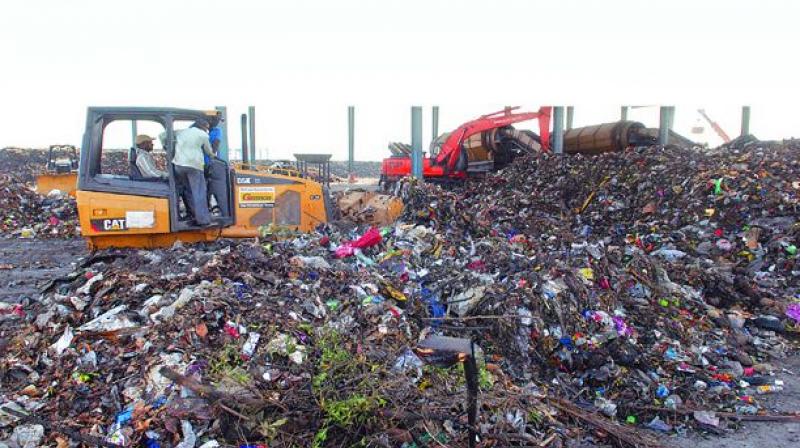
திடக்கழிவு மேலாண்மை (Solid Waste Management)

Article by: Ms Rathai Muthu

திடக்கழிவு மேலாண்மை என்பது வீடுகள்,வணிகவளாகங்கள், தொழிற்சாலைகளில் இருந்து கிடைக்கும் தேவை இல்லாத பயன்படுத்தப்பட்ட திடப்பொருள்களை சரியான முறையில் மறுபடியும் உபயோகிப்பதற்கான வழிவகைகளைச் செய்வதாகும் .

திடக்கழிவுகளால் சுற்றுச்சூழல் மாசுபடுகிறது. உதாரணமாக காகிதம், ரப்பர்,பிளாஸ்டிக் பொருள்கள் , கண்ணாடிகள் , தோல் பதனிடும் தொழிற்சாலை கழிவுகள் போன்றவை ஆகும்.

திடக்கழிவுகள் அதிக அளவில் வீடுகள், அலுவலகங்கள் , மருத்துவமனைகள் , கல்வி நிறுவனங்கள் , தொழிற்சாலைகள் , வேளாண் கழிவுகள் , நகராட்சி கழிவுகள் ஆகியவற்றில் இருந்து கிடைக்கப்பெறுகிறது.

திடக்கழிவுகளின் வகைகள்

சிதைவடைவன

இவை நுண்ணுயிரிகளால் எளிதில் சிதைவடையும்.(எ.கா) இறந்த தாவரங்கள் , விலங்குகளின் உடல்கள் மற்றும் காய்கறி கழிவுகள்

சிதைவடையாதவை

இவை நுண்ணுயிரிகளால் எளிதில் சிதைவடையாது.(எ.கா) பிளாஸ்டிக் , டயர்கள், கண்ணாடி மற்றும் உலோகங்கள்

சாம்பல்

மரக்கட்டை, நிலக்கரி போன்றவை எரிபொருளாக பயன்படுத்தும் போது கிடைக்கும் சாம்பல் ஆகும்.

கட்டுமான திடக்கழிவுகள்

கட்டிடங்கள் கட்டும் போதும் , இடிக்கும் போதும் வெளிப்படும் கழிவுகள் ஆகும்.(எ.கா) கற்கள் மற்றும் மின்சாதனப் பொருள்கள் .

நச்சுத் திடக்கழிவுகள்

இவை மிகவும் நச்சுத்தன்மை வாய்ந்த கழிவுகள் .(எ.கா) உலோகங்கள் (குரோமியம் , பாதரசம், காட்மியம் ) மற்றும் பூச்சிக்கொல்லிகள் , வெடிபொருள்கள், மருத்துவமனை கழிவுகள் மற்றும் கதிரியக்கத் தனிமக் கழிவுகள்

வேளாண் கழிவுகள்

வேளாண் பொருள்களை பயன்படுத்தியது போக மீதம் உள்ளவை இந்த கழிவுகள் .(எ.கா) நெல் உமி, தவிடு, கரும்புச்சக்கை, கரும்புத்தோகை, சோளத்தட்டை, பண்ணைக்கழிவுகள், தென்னைக் கழிவுகள்

ஆனால் இவற்றால் அதிக அளவில் பாதிப்புகள் ஏற்படுவதில்லை .

கழிவுநீர் சுத்திகரிப்பு கழிவுகள்

கழிவுநீர் சுத்திகரிக்கும் போது வெளிவரும் திடக்கழிவுகளாகும்.

திடக்கழிவுகளின் விளைவுகள்

  • இக்கழிவுகளை எரிக்கும் போது காற்று மண்டலத்தையும் , மண்ணில் இடும் போது நிலத்தையும் மற்றும் நீரினையும் மாசுபடுத்துகிறது.
  • மருத்துவமனைக் கழிவுகள் பல நோய்கள் ஏற்படக் காரணமாகிறது .
  • காகிதக் கழிவுகள் மற்றும் உலோகங்கள் போன்றவற்றை மறுசுழற்சி செய்யும் போது சுவாசக் கோளாறுகள், கண் எரிச்சல் மற்றும் இரைப்பை தொற்று நோய் ஏற்படுகிறது .
  • குளோரின் உள்ள திடக்கழிவுகளை எரிக்கும் போது அதிலிருந்து வெளிவரும் டையாக்ஸின் , ப்யூரான் வாயுக்களை சுவாசிக்கும் போது மலட்டுத்தன்மை ஏற்படுகிறது.
  • நச்சுக் கழிவுகள் உணவுச் சங்கிலி மூலம் உடலில் சேமிக்கப்பட்டு புற்றுநோய் உண்டாக்குகிறது .

திடக்கழிவினை மேலாண்மை செய்தல்

https://www.tnrd.gov.in/sanitation_corner/training_materials.htm

சேகரித்தல்

திடக்கழிவுகளை சேகரித்து அவற்றை சுத்திகரிக்கும் இடத்திற்கு எடுத்துவருதல்.

பிரித்தல்

திடக்கழிவுகளை அவற்றின் தரம் வாரியாகப் பிரித்தல்.(எ.கா) சிதைவன, சிதைவடையாதவை, எரியும் பொருள்கள் , எரியாதப் பொருள்கள் எனப் பிரித்து மறுசுழற்சி செய்தல்.

தூளாக்குதல்

திடக்கழிவுகளை அரைத்து தூளாக்கி சுத்திகரிப்பு செய்து பின்பு பயன்படுத்துதல்.

திடக்கழிவு சுத்திகரிக்கும் முறைகள்

  • உயிரியல் முறை
  • வெப்ப முறை

உயிரியல் முறை

இம்முறையில் நுண்ணுயிரிகள் முலம் திடக்கழிவுகள் சிதைக்கப்படுகின்றன. திடக்கழிவுகளை பாக்டீரியாக்கள் மற்றும் பூஞ்சைகளால் சிதைக்கப்பட்டு உரமாகவோ அல்லது நிலத்திலோ புதைக்கப்படுகிறது.

வெப்பமுறை

இம்முறையில் திடக்கழிவுகளை வெப்பபடுத்தி எரிபொருளாகவோ அல்லது எரித்து சக்தியாகவோ மாற்றப்படுகிறது .

திட்டக்கழிவு மேலாண்மையின் பயன்கள்

  • மக்களை நோயிலிருந்து பாதுகாத்தல் . மற்ற பிற உயிர்களுக்கும் திடக்கழிவுகளால் தீங்கின்றி பாதுகாத்தல்.
  • மறுசுழற்சி செய்வதன் மூலம் மீண்டும் அப்பொருள்களின் உபயோகத்தை அதிகமாக்கல்.
  • மேலும் இதன் முக்கியப் பணி சுற்றுச்சூழலை நம் தலைமுறை தலைமுறைக்கும் பாதுகாத்தலே ஆகும்.