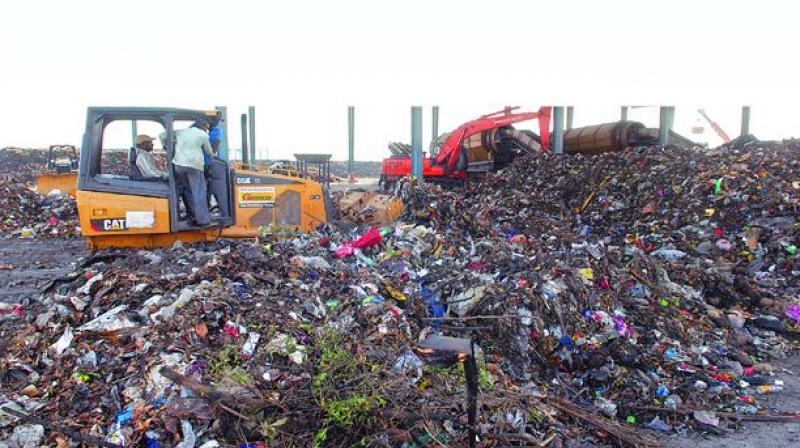
Recycled Materials in construction Industry

Article by : Jayasree Nachiyar Palanivel

Nowadays construction and demolition of buildings is very often. Old buildings are demolished and new construction is being replaced at the very same location . This activity results in lot of waste generated in both developed and under developed countries.

Wastes generated at construction sites can be of,

Excavated wastes

Wastes such as soil, asphalt, sand, gravel, rock etc.,.

Construction wastes

Wastes such as concrete, dry wall, plastics, ceramic tiles, metals, paper, glass etc.,.

Demolition wastes

Wastes such as concrete, metal, roofing sheets, brick, stone, wood material, asbestos, gypsum, briquette.

Mixed wastes

Trash and organic wastes.

Plaster board which contains toxic gas – hydrogen sulphide should be treated & then get disposed.

Materials that can be recycled from construction and demolition projects are,

  • Woods
  • Glass
  • Metals
  • Tyre
  • Plastics

Number of interior designers are also making use of recycled materials in the construction of homes.

  • Washed – up beach plastics for floor
  • Plastic bottles for furniture making
  • Saw – dust create insulation boards

Wood

Cork-wood

Besides using cork in wine and champagne as stoppers. The cut – offs and fragments from the manufacturing process of cork stoppers are collected and used for cork floor tiles

Newspaper wood :

Paper is made from wood. But the old newspapers are stacked and the layers are compressed results in wood like material where the woods look like the grain and rings found in natural timber. This recycled wood is used as kitchen shelves,cupboards and doors.

Glass :

Glass is made from readily available domestic materials – sand, soda ash, limestone & cullet(mostly sand is used) – the industry term for furnace ready recycled glass.

Glass when crushed can be used in construction of walls and road construction. Crushed glass is being used in places where the aggregate costs more and in golf courses to neutralize soil pH. Since crushed glass does not breakdown into any harmful by products such as methane it is ideal in construction purpose.

Crushed glass is also used in many places where natural sand can also be used such as in construction projects. Backfill areas such as trenches and foundation are often filled with crushed glass. Not only glass recycling helps in reducing landfilling but no emission of green house gases and thus prevents pollution.

Metals :

Scrap metals such as aluminum, iron, steel, copper and brass can be reused many times to make many new products.

Recycling of scrap metals further reduces the mining to obtain new metals for manufacturing process.Recycled steel and aluminum are mostly used in new food packaging.Most scrap metals are recycled into components for the home – furnishings, fixtures and lighting, decorative metal work.Modern art work can also be made out of recycled scrap metals. Good scrap metals includes circuit breakers, plumbing, electrical wiring, sinks etc.,.

Tyres :

Since tyres are not Bio – Degradable thus can be used in constructing a new building ends in reducing the dumping of tyres in landfills and stockpiled.It can be used as construction material since it has the property of heat conductor especially the racing car tyres which acts as a heat sinks where the heat get transferred from high temperature to low temperature i.e., heat is removed from the inside house to underground.Its most suitable in tropical climate countries.

a)Rammed tyre construction

Here the recycled tyres are filled with soil compacted which acts as a framing where the gaps are filled with glass or plastic bottles or aluminum cans.

b)Tyre Bale construction

Number of tyres used in this type of construction is more when compared to Rammed tyre construction.It frames the outside walls of the house stacked like bricks to cover the whole house.

Walls of either method is smoothed over with cement then layers of plaster to finish.

Plastics :

Recycled plastics are used in new building and construction applications everyday . This in terms reduces the accumulation in landfills . Upcycling plastics helps to save energy for the production of new plastic products where the recycled plastics combined with virgin plastics(plastics that has not been processed before)such plastics are used to make polymeric timbers – used in making from picnic tables to fences hence trees can be saved. Even a two liter bottle can be spun into fiber and the product obtained is carpet another home appliances.

Plastic Roads

Plastic roads are constructed using plastics as a binder with other material(Bitumen).The asphalt concrete road is replaced with plastics in the plastic road construction.The plastics used in road construction are mostly the packaging product .Some of the most common plastics used in packaging are Polyethylene terephthalate(PET/PETE),Polyvinyl chloride (PVC), polypropylene(PP), high and low density polyethylene(HDPE & LDPE).

These are few examples of recycling in Construction industry . Readers can share new methods which you come across in the comments section.

உணவுப் பொருட்களில் பிளாஸ்டிக்

எழுத்து : ராதை முத்து

நம் நாட்டில் பிளாஸ்டிக் உபயோகம் சர்வசாதாரணமாக புழங்கும் நிலை உள்ளது. எதை எடுத்தாலும் பிளாஸ்டிக் உடனான பங்களிப்பு இல்லாமல் உபயோகம் செய்ய முடியாத சூழல் உள்ளது.

  • பிளாஸ்டிக் காகிதத்தில் உணவுப் பொருட்களை கட்டித் தருதல்.
  • சாப்பாட்டு மேசையில் பிளாஸ்டிக் காகிதத்தை விரித்து அதில் உணவு பரிமாறுதல்.
  • பிளாஸ்டிக் தெர்மோ கோல் தட்டுகள்.
  • பிளாஸ்டிக்கில் கவர் செய்யப்பட்ட காகித தட்டுகள்.
  • பிளாஸ்டிக் டம்ளர்
  • பிளாஸ்டிக்கில் கவர் செய்யப்பட்ட காகித டம்ளர்கள்
  • பிளாஸ்டிக் டீ கப்புகள்
  • அனைத்து விதமான அளவுகளிலும் பிளாஸ்டிக் பைகள்
  • பிளாஸ்டிக்கால் கவர் செய்யப்பட்ட காகிதப் பைகள்
  • நெய்யப்பட வில்லாத (Non-woven) பைகள்
  • தண்ணீர் பாக்கெட்டுகள்
  • பிளாஸ்டிக் ஸ்ட்ரா
  • பிளாஸ்டிக் கொடிகள்

என இவை அனைத்தும் நம் தமிழ்நாட்டில் மக்கள் புழக்கத்தில் பெருமளவு உள்ளது என்பது வருந்தத்தக்க விஷயம்.

பிளாஸ்டிக்கில் பிஸ்ஃபெனோல் ஏ (பிபிஏ), தால்ட்ஸ், ஆன்டிமினோட்ராக்ஸைடு, புரோமினேட் சுடர் ரெட்டார்டண்ட்ஸ் மற்றும் பாலி-ஃபுளோரைன் வேதியியல் போன்ற பல ரசாயன மற்றும் அபாயகரமான பொருட்கள் உள்ளன. இது மனித ஆரோக்கியத்திற்கும் சூழலுக்கும் ஒரு ஆபத்தான காரணியாகும். கண் பார்வை குறைபாடு, சுவாச பிரச்சனைகள், கல்லீரல் செயலிழப்பு, புற்றுநோய்கள், தோல் நோய்கள், நுரையீரல் பிரச்சினைகள், தலைவலி, தலைச்சுற்று, பிறப்பு விளைவு, இனப்பெருக்க, இதய, மரபியல், மற்றும் நச்சுப் பாசனங்களைப் பயன்படுத்துவதற்கான இரைப்பை குடல் பிரச்சினைகள் பிளாஸ்டக்கால் ஏற்படும். மண் மாசுபாடு, நீர் மாசுபாடு மற்றும் காற்று மாசுபாடு போன்றவை பிளாஸ்டிக்கில் ஏற்படும் சுற்றுச்சூழல் பிரச்சினைகள் ஆகும்.பிளாஸ்டிக்கில் பிஸ்ஃபெனோல் ஏ (பிபிஏ), தால்ட்ஸ், ஆன்டிமினோட்ராக்ஸைடு, புரோமினேட் சுடர் ரெட்டார்டண்ட்ஸ் மற்றும் பாலி-ஃபுளோரைன் வேதியியல் போன்ற பல ரசாயன மற்றும் அபாயகரமான பொருட்கள் உள்ளன. இது மனித ஆரோக்கியத்திற்கும் சூழலுக்கும் ஒரு ஆபத்தான காரணியாகும்.

உணவுகளிலும் பிளாஸ்டிக்

நாம் அன்றாடம் பயன்படுத்தும் உணவுப் பொருட்களில் பிளாஸ்டிக் கலந்து உள்ளது என்பது நிதர்சனமான உண்மை.

தேநீர் பைகள்.

தேயிலை பைகளில் 95% க்கும் மேலான பிளாஸ்டிக் பொருட்கள் உள்ளனவா என்று உங்களுக்குத் தெரியுமா? …

தேயிலை பைகளின் ஓரங்களை அடைக்க சிறிய அளவிலான பிளாஸ்டிக் பயன்படுகின்றது. உற்பத்தியாளர்கள் அதனை சிறிய அளவு என்றாலும் சூடான தண்ணீர் அல்லது பாலுடன் தேயிலை பை கலக்கும் போது மைக்ரோ பிளாஸ்டிக் நமது உடலில் கலப்பது தவிர்க்க முடியாதது ஆகிறது. எனவே முடிந்தவரை வரை மொத்தமாக தேயிலைத் தூள் வாங்கி தினமும் உபயோகிக்கவும்.

டின் உணவுகள்

டின் கேன்கள் பிபிஏ, புற்றுநோய், புற்றுநோய் மற்றும் உடல்பருமன் ஆகியவற்றுடன் தொடர்பு கொண்டிருக்கும். …

டின் உணவுகளில் பெரும்பாலும் BBA என்னும் பிளாஸ்டிக் இரசாயனங்கள் கலந்து உள்ளது. அதிலும் டின்னில் அடைக்கப்பட்ட தக்காளி வேதி வினைகளில் மாற்றம் அடைந்து பிளாஸ்டிக் களுக்கு இணையான இரசாயனங்களை வெளிவிடும். எனவே முடிந்தவரை புதிய தக்காளி பழங்களை பார்த்து வாங்கி பயன்படுத்தவும்.

தயார் உணவு மற்றும் உணவு பேக்கேஜிங்

தயார் நிலையில் உள்ள பதப்படுத்தப்பட்ட உணவுகளில் பிளாஸ்டிக் கலந்து உள்ளது. பேக்கிங் ஓரங்களை அடைக்க பிளாஸ்டிக் கே பயன்படுகிறது. அது உணவுடன் கலந்து நம் உடல் நலத்தை கெடுக்கும்.

உப்பு

கடல்கள் படிப்படியாக microplastics மூலம் மாசுபடுத்தப்படுவதால் கடல் உப்பு பெரும்பாலும் அசுத்தம் என்று கூறுவதில் எந்த ஆச்சரியமும் இல்லை. 1KG கடல் உப்பு 600 க்கும் மேற்பட்ட மைக்ரோ பிளாஸ்டிக் கொண்டிருக்கலாம் என்று ஆய்வுகள் காட்டுகின்றன.

சமீபத்திய அட்டவணையில் காணப்படும் 39 பிராண்டுகளில் 36 நுண்ணிய நுண்ணுயிரிகளைக் கொண்டிருப்பதாக சமீபத்திய ஆய்வில் காணப்பட்டாலும், சாதாரண உப்பில் கூட மைக்ரோ பிளாஸ்டிக் உள்ளது. இருப்பினும், ஆசியாவில் உப்பு மற்றும் குறிப்பாக இந்தோனேசியாவில் வட பகுதியில் பிளாஸ்டிக் குறிப்பிடத்தக்க அளவிற்கு அதிக அளவு வேறுபடுகிறது. இந்தோனேசியா கடல் தண்ணீரில் உலகின் மிக மோசமான பிளாஸ்டிக் மாசுபாடு அளவு உள்ளது.

எனவே முடிந்தவரை பிங்க் Himalayan Salt உபயோகிக்கவும். ஏனெனில் அது உலகம் மாசு அடைவதற்கு முன்னர் உருவான படிமங்கள் ஆகும்.

தேன்

ஐரோப்பா மற்றும் தென் அமெரிக்காவிலிருந்து 19 வகையான பல்வேறு வகை தேன் ஆய்வு செய்யப்பட்டுள்ளன, இவை எல்லாமே பிளாஸ்டிக் நார்களைக் கொண்டுள்ளன. தேனில் உள்ள பிளாஸ்டிக் அளவு 1 KG க்கு 45 முதல் 600 பிளாஸ்டிக் துகள்கள் மாறுபடுகிறது.

பிளாஸ்டிக் பயன்பாட்டை குறைத்து, சூழலோடு ஒத்து இயற்கையோடு இணைந்து வாழ நாம் முயற்சி செய்வோமே!

Rainwater recycling and harvesting

Friends, the skies have finally opened and the very much expected monsoon seasons have started .

As individuals what can we do to get the best out of blessings from above . Here is your monsoon checklist.

  • If you own a terrace its time for you to check the rain water outlet pipe . Clean and remove the clogged outlet .
  • Initiate a community activity to clear the rain water drains.
  • Most drains are closed but if you get a chance to peep in you will see our omnipresent plastic bags. Write or Ring to the concerned authority to remove it.
  • In some places we can see that the rain water drains are completely disappeared. Let’s take some steps to set it right .

    Rainwater Harvesting

    It is a simple method to recharge our ground water table. Using a simple water storing construction buried under the ground we can prevent excess water runoff and save it in our natural reserves .

  • Recycling rainwater

  • Did u know that rainwater is the best source of nitrogen. Plants love them.
  • Rearrange your potted plants so that they get a nice shower in rainwater
  • If you time it right , you can observe how fast seeds germinate grow even in one or two days of rain .
  • Finally tips from mom . Soak your clothes freshly caught rainwater . That would be the best laundry day for your clothes !
  • Happy monsoons!!!

Environment day June 5

Dear readers we at RecycleMithra wish on this Environment day that every one gets the awareness that each of us has a unaccountable debt towards Nature ..Let’s take a small step towards repaying it . Little deeds of Eco – karma surely creates great ripples .

Can we think of doing at least one of so many ways to care for our Environment ?

Every plant counts ..

Don’t worry if you could not set up a huge terrace garden..Any garden, any where, any potted plant is a treasure Every blade of leaf plays its part ..It purifies our air..

Every drop matters!

20 years back the first time I saw our house well so full with water so easy that we could fill a bucket in one scoop ..it was a bountiful monsoon ..and we pulled water from wells those days ..Water has become so precious ..Let’s not waste it

Let’s pamper the plastic

The so humble and all present plastics needs some extra attention ..No wrong in using it , the way we dispose it matters ..it just takes a moment to drop that piece of plastic into a separate bin . Yes we can do it . For us . For Mother Nature ..

Every Little step counts ..Take ur first step today .

BioPlastics/Degradable Plastics -Not so Green Really!

You were one among the tribe that got the vile feeling looking at plastics. When seeing the landfills , your eyes first caught the plastics bags even though there were a tons of other materials waiting to be picked up and reach Industrial Heaven. The news about a new invention of plastics fancied you. Just like the brand new mobile phone in market the names Biodegradable , Bio- Degradable, Green plastics, Plant starch Plastic , green plastic just pulled you. So if you thought that you could just buy this ‘GREEN PLASTIC’ and toss it to your compost bin, you got it wrong.

Photo credit: Zane Selvans via Flickr. These cups are made from corn-based plastic. To see how compostable they were, Zane put six of the cups in his very active compost pile at home (which reached 70°C a couple of times) and left them for two years. After two years, this is what they looked like.

Industrial Composting /In vessel composting

Defining End-of-life options for Bioplastics

So the wonder material Plastic is one of the most valuable materials on the planet, as it is light weight, durable and very long lasting. These are also the same reasons that it has become a disaster for much of our communities and ecosystems – because it is light weight, hard to recover at scale, and it lasts decades or more. As consumers of this wonder material, it is our responsibility that we make sure it does not end up in landfills

The solution?

Thus we know that we have got a conscious decision to make before choosing to switch to so called green plastics

The check list

To check if your local governing body collects segregated waste

Are there recycling facilities?

Does you local governing body has industrial grade composting units installed?

Further reading

https://news.nationalgeographic.com/2017/04/wax-worms-eat-plastic-polyethylene-trash-pollution-cleanup/

Compostable plastics and bioplastics – and why they aren’t the “green” solution

https://theconversation.com/why-compostable-plastics-may-be-no-better-for-the-environment-100016

https://cen.acs.org/articles/93/web/2015/03/Biodegradable-Plastics-Dont-Live-Claims.html

http://www.pepctplastics.com/resources/connecticut-plastics-learning-center/biodegradable-plastics/

குப்பைவளம் நலம்!

எழுந்து: அனிதா வரதராஜுலு

சேராதது, மக்கும் குப்பை மக்காத குப்பை.

சேர்வது ,மண்ணும் உரமும்.

பிரிப்பது ,பிலாஸ்டிக் மற்றும் உணவும்.

பிரியாதது, கலந்த குப்பையும் வியாதியும்.

மாறாதது, குப்பையிடம் மக்கள் போக்கு.

மாற்ற வேண்டுயது,நம் சிந்தனை.

அழியனும் நம் சுயலாபம்.

அழியாதது மக்கள் ஒற்றுமை.

குப்பைவளம் அறிவோம்…

இன்றே தரம் பிரித்து நன்னெறி செய்வோம்…

வாழ்க வியசாயம் கண்ட பூமி!

வலர்க மனிதநேயம்!

Waste-o-pedia

Article by : Jayasree Nachiyar Palanivel

As we all know keeping our environment clean is a mere reflection of our home where we live and surrounded by all other materialistic stuffs that is used and thrown by us into the garbage.
Here we are just going to learn the basics of all the solid waste materials that are in use and how to classify and eradicate them as much as possible in a better, quick way for the benefit of all our future generation life’s.

Solid Waste

Types of Solid wastes are ,

  1. Municipality Solid Waste
  2. Hazardous Waste
  3. Industrial Waste
  4. Agricultural Waste
  5. Bio-Medical Waste

Municipality Solid Wastes also known as Non-Hazardous Wastes nothing but the wastes generated by individual households

Domestic Wastes can further be classified as

1.Bio-Degradable Wastes

2.Non-Bio Degradable Wastes

Bio-Degradable wastes:

That originates from plant/animal sources that are degraded by other living organisms like bacteria,fungus etc.In other words the wastes that is decomposed with in several weeks in land filling which in turn used as manure,bio gas.

Example:Vegetables,Fruits,Meat,Paper, Left over food, Agricultural wastes etc.,.

Non-Bio Degradable Wastes:

In simple words it’s described as cannot be broken by living organisms that takes million years to get decompose causes pollution – air pollution,water pollution.

Example:Plastic products,Sanitary waste,Metal cans,construction wastes etc.,.

The increase of population has lead to increase in consumption ,production of goods & consequently an increase in disposal of garbage.

Waste Disposal methods

Land-filling

Land filling is defined as a site for the disposal of waste materials by burial/pit(old method),open air dump sites. The base is prepared of a protective lining, which serves as a barrier between wastes and ground water, and prevents the separation of toxic chemicals into the water zone. Waste layers are subjected to compaction and subsequently coated with an earth layer. Soil that is non-porous is preferred to mitigate the vulnerability of accidental leakage of toxic chemicals. Landfills should be created in places with low groundwater level and far from sources of flooding. However, a sufficient number of skilled manpower is required to maintain sanitary landfills.

Recycling

Recycling serves to transform the wastes into products of their own genre through industrial processing. Paper, glass, aluminum, and plastics are commonly recycled. It is environmentally friendly to reuse the wastes instead of adding them to nature. However, processing technologies are pretty expensive.

Incineration

Incineration features combustion of wastes to transform them into base components, with the generated heat being trapped for deriving energy. Assorted gases and inert ash are common by-products. Pollution is caused by varied degrees dependent on nature of waste combusted and incinerator design. Use of filters can check pollution. It is rather inexpensive to burn wastes and the waste volume is reduced by about 90%. The nutrient rich ash derived out of burning organic wastes can facilitate hydroponic solutions. Hazardous and toxic wastes can be easily be rid of by using this method. The energy extracted can be used for cooking, heating, and supplying power to turbines. However, strict vigilance and due diligence should be exercised to check the accidental leakage of micro level contaminants, such as dioxins from incinerator lines.

Composting:

It involves decomposition of organic wastes by microbes by allowing the waste to stay accumulated in a pit for a long period of time. The nutrient rich compost can be used as plant manure. However, the process is slow and consumes a significant amount of land. Biological reprocessing tremendously improves the fertility of the soil.

Disposal of hazardous waste:

https://www.biomedicalwastesolutions.com/medical-waste-disposal/

Hazardous Wastes generally of radioactive nature are dumped in the oceans far from active human habitats. However, environmentalists are challenging this method, as such an action is believed to spell doom for aquatic life by depriving the ocean waters of its inherent nutrients.

Happy Mother’s Day

Ma the universal sound for mom , Any language , any civilisation in any corner in this world its the same ..

The love so pure,

The love ever increasing ..

The admonishments are also exhibits of immense love on dear ones..

The fear whether my baby can stand on her or his own..

The researcher , the doctor , the friend , the teacher.

Any role is her best role .

Today we moms in this world have a unique responsibility, the previous generations moms never had .

To protect Mother Earth so that Our kids don’t choke with stale air or eat chemically contaminated food or don’t go out fishing the plastics we have given them.

To teach our kids to respect Mother Earth .

To teach that whatever heights our kids reach , their actions should not affect our Earth.

RecycleMithra wants to congratulate a green gesture of a Eco – Conscious mom .

Our friend Ms Vasudha from Bangalore took efforts to celebrate her son’s birthday without using single use plastics . Have a look at the invite . Blessed baby and a wonder mom . Great Inspiration Ms Vasudha.

Detritivore, the soldiers of Soil

Article by Anitha Varadarajulu

9 million unique living organisms that inhabit the earth co exist together with the interactions amongst them preserving the balance of life -except Us HUMANS the dominant species Homo sapiens. The more we are disconnected from nature , the more we are destroying it.

The concept of Biodiversity includes every species of bacteria, virus, plant, fungi, and animal, as well as the diversity of genetic material within each species. It also encompasses the diverse ecosystems the species make up and the ongoing evolutionary processes that keep them functioning and adapting. Without these organisms, ecosystems and ecological processes, human societies could not exist. They supply us with oxygen and clean water. They cycle carbon and fix nutrients. They enable plants to grow and therefore to feed us, keep pest species and diseases in check and help protect against flooding and regulate the climate. These benefits are known as ecosystem services.

We play a significant role in this cycle. We are the top predators of the food chain depending on Earth for every single minute but where did we get lost? Man has not yet invented food pills to harness energy from Sun directly and it is actively researched by our Chemical scientists . We still get our food from Earth and what we take from nature must be given back.

The food scraps in our waste bins must be given back to Nature and not end in landfills.

The delicate balance of the food web must be maintained at any cost. With mankind spread all over the world, the Earth resources are shrinking. We are at a time period where we cannot take the natural resources for granted.

To restore the nutrient depleted agricultural farms and handle the ever growing demand for food, artificial fertilisers have taken the place in developing economies. Instead each of us must act responsibly and return the valuable natural resource in the garbage back to the Soldiers of the soil, the Detritivores.

இயற்கை உரம் இனிய வரம்

Article by: Rathai Muthu

ஒவ்வொரு வாரமும் பத்திரிக்கைகளில் பள்ளிக்கரணை மற்றும் பெருங்குடியில் கழிவுகிடங்கில் சேரும் கழிவுகளை எரிப்பதை பற்றிய பிரசுரங்களைப் படித்திருப்போம். அதில் 60 சதவிகிதம் கரிமகழிவுகள் (organic waste) வீணாக்கப்படுவது வருந்தத்தக்க விஷயம். அவற்றை வீணாக்காமல் சுலபமாக நிலத்திற்கு உரமாக்கலாம்.

கரிம கழிவுகள் (organic waste) என்பது அடுப்பங்கரையில் கிடைக்கும் மீதமான உணவுகள், இலைகள் மற்றும் பூக்கள் என்ன ஆகும். உரம் என்பது கரிம கழிவுகளை செயல் முறைகளுக்கு உட்படுத்தி சத்து நிறைந்த மணலை உருவாக்குவதே ஆகும். இது அழுகும் நிலையில் இருந்து மாறுபட்டது ஆகும். அழுகும் பொருட்களில் கெட்ட வாசனையும் பூஞ்சைகளும் கலந்து இருக்கும். அதற்கு மாறாக உரம் என்பது மிக மெதுவாக கழிவுகளில் நடக்கும் சிதைவு ஆகும். இதே செயல்முறைதான் காடுகளில் நடைபெறுகிறது. காடுகளில் ஒன்றன் மீது ஒன்றாக அடுக்கடுக்காக விழும் இலைகள் மிக மெதுவாக உடைந்து மண்ணோடு கலக்கும். இதுவே காடுகளில் ஒரு விதமான மண் வாசனையை கொடுக்கும்.

உரத்தின் அறிவியல் பின்புலம்

கரிம கழிவுகள் உரம் ஆதலின் போது சிதைந்து நைட்ரஜன் மற்றும் கார்பனை கொடுக்கிறது. நைட்ரஜன் மற்றும் கார்பன் சமமான நிலையில் உள்ள போது நமக்கு தரமான உரம் கிடைக்கிறது. நைட்ரஜனின் அளவு அதிகமானால் அழுகும் வாடை அடிக்கும்.

கார்பனின் அளவு அதிகமானால் உரத்தில் வறட்சியும் சத்து இன்றியும் காணப்படும். பச்சை நிறக் கழிவுகளில் இருந்து நைட்ரஜன் கிடைக்கும். எடுத்துக்காட்டாக பழங்களின் தோல்கள் மற்றும் காய்கறிகள், பூக்கள் மற்றும் நீண்ட உணவுப் பொருள்கள்.

பழுப்பு நிற கழிவுகளிலிருந்து கார்பன் கிடைக்கும். எடுத்துக்காட்டாக மரங்களிலிருந்து விழும் உலர்ந்த இலைகள், துண்டாக்கப்பட்ட அட்டை தூள்கள், பழுப்பு நிற தேங்காய் துண்டுகள்(தேங்காய் ஓடுகள் அல்ல).

ஏரோபிக் (aerobic) அல்லது அன் ஏரோபிக்(unaerobic) முறையில் உரமாக்கலாம். காற்றினை உபயோகப்படுத்தி உருவாக்குவதே மிகச்சிறந்த சுலபமான வழி. உரமாதல்(Composting) காற்று மற்றும் கலந்து விடுவதன் மூலம் நடைபெறும்.

வீட்டில் உரம் தயாரித்தல்

அதில் ஒரு அண்டா(drum) , பெரிய வாளி(big size bucket) அல்லது டெரக்கோட்டா பாத்திரம்( terracotta pot) என உங்களிடமுள்ள தகுந்த அளவிலான பாத்திரம் எடுத்து அதில் சீரான இடைவெளியில் துளைகள் இடவும்.

அதில் பச்சை நிற கழிவுகள் மற்றும் இதர கழிவுகளை ஒன்று அல்லது இரண்டு நாளுக்கு ஒரு முறை சேர்க்கவும். மிக சீக்கிரம் உரமாக கழிவுகளை மிக சிறிதாக நறுக்கி துண்டுகளாக்கி சேர்க்கவும்.

அதன்மீது பழுப்பு நிற கழிவுகளை பரப்பவும். இவ்வாறாக பச்சை மற்றும் பழுப்பு நிறப் கழிவுகளை அடுக்கடுக்காக சேர்க்கவும். இறுதியாக பழுப்பு நிற கழிவுகளை இட்டு அந்தப் பாத்திரத்தை இறுக மூடவும்.

இருக்க மூடுவதினால் சிறு பூச்சிகள் உள்ளே நுழைவது தடுக்கப்படும். கழிவுகள் உள்ள பாத்திரத்தினை ஒரு தட்டின் மீது வைக்கவும். கழிவுகளிலிருந்து வழியும் திரவம் அந்தத் தட்டில் சேமிக்கப்படும்.

கழிவுகள் அவையிலிருந்து உறவின் போது வடியும் திரவத்தில் மிக அதிக அளவிலான சத்துக்கள் நிறைந்துள்ளன. இந்த திரவ உரத்தில்(liquid fertilizer) ஒன்றுக்கு 30 மடங்கு தண்ணீர் சேர்த்து நிலத்தில் உபயோகப்படுத்தவும்.

இந்த திரவ உரத்தில் தயிர் மற்றும் பஞ்சகவ்யா (பசு உரம்) கலந்தால் அது உரத்திற்கு மிகச்சிறந்த வினையூக்கியாக செயல்படும்.

இவ்வாறாக பச்சை மற்றும் பழுப்பு நிற கழிவுகளை சேர்த்துக் கொண்டே வரவும். ஒரு பாத்திரம் நிறைந்தவுடன் அடுத்த பாத்திரத்தில் இதே போல செய்யலாம். அடுத்த இரண்டு அல்லது மூன்று நாட்களில் உரக்கலவை சேர்ந்துவிடும். பின்பு ஆறு அல்லது எட்டு வாரங்களில் மண்வாசனை உடனான பழுப்பு மற்றும் தங்க நிறத்திலான உரம் செடிகளுக்கு தயாராகிவிடும்.

உரம் தயாரிக்க தேவை அற்றவை

தேங்காய் ஓடுகள் மாங்கொட்டை மற்றும் நிலக்கடலை ஓடுகள் இவை உரமாக ஒரு வருடம் எடுத்துக் கொள்ளும். நாள் போக்கில் கெட்ட வாடையும் அடிக்க ஆரம்பிக்கும். பால் பொருட்களை சேர்ப்பதால் எலி முதலான சிறு விலங்குகளை ஈர்க்கும். எலும்புகள் சேர்ப்பதால் சிதைவுற நிறைய நாட்கள் பிடிக்கும் அதனால் அவை தேவையற்றவை.

உடைந்த முட்டை ஓடுகளையும் டீ மற்றும் காபி தூள் களையும்நேரடியாக மண்ணில் இடலாம்.

பழுது நீக்குதல்( Trouble shooting)

உரம் ஈரமாகவோ அல்லது வறட்சியாக இருந்தால் அதில் இருந்து மண் வாசனை வரும். உங்கள் உர கலவையில் நீர்அதிகமாக இருந்தால் அதிக அளவு நைட்ரஜன் உள்ளது என்று அர்த்தம். சரி செய்ய பழுப்பு நிற கழிவுகளை சேர்க்கவும். உரக்கலவை வறண்டு இருந்தால் பச்சை நிற கழிவுகளை சேர்க்கவும்சேர்க்கவும். நடைமுறையில் அதிக அளவில் நீர் உரிய உரங்களை பிரச்சனைக்கு காரணம் ஆகிறது.

முயற்சி அதிகம் தேவையில்லை

உரம் தயாரித்தல் இற்கு அதிக இடமும் நேரமும் தேவையில்லை. ஒரு நாளைக்கு ஐந்து நிமிடம் போதும் . மண்வாசனையை மண்ணுக்கு நாம் தரும் சிறந்த பரிசு. ஆரோக்கியமான தாவரங்களுக்கு நாம் தரும் பரிசு ஆரோக்கியமான உரமே ஆகும்.

A bilingual blog on everything that matters to our Earth

Design a site like this with WordPress.com
Get started